Bringing the Brown Howler Monkey's Roar Back to Rio de Janeiro's Tijuca National Park

Project Details:

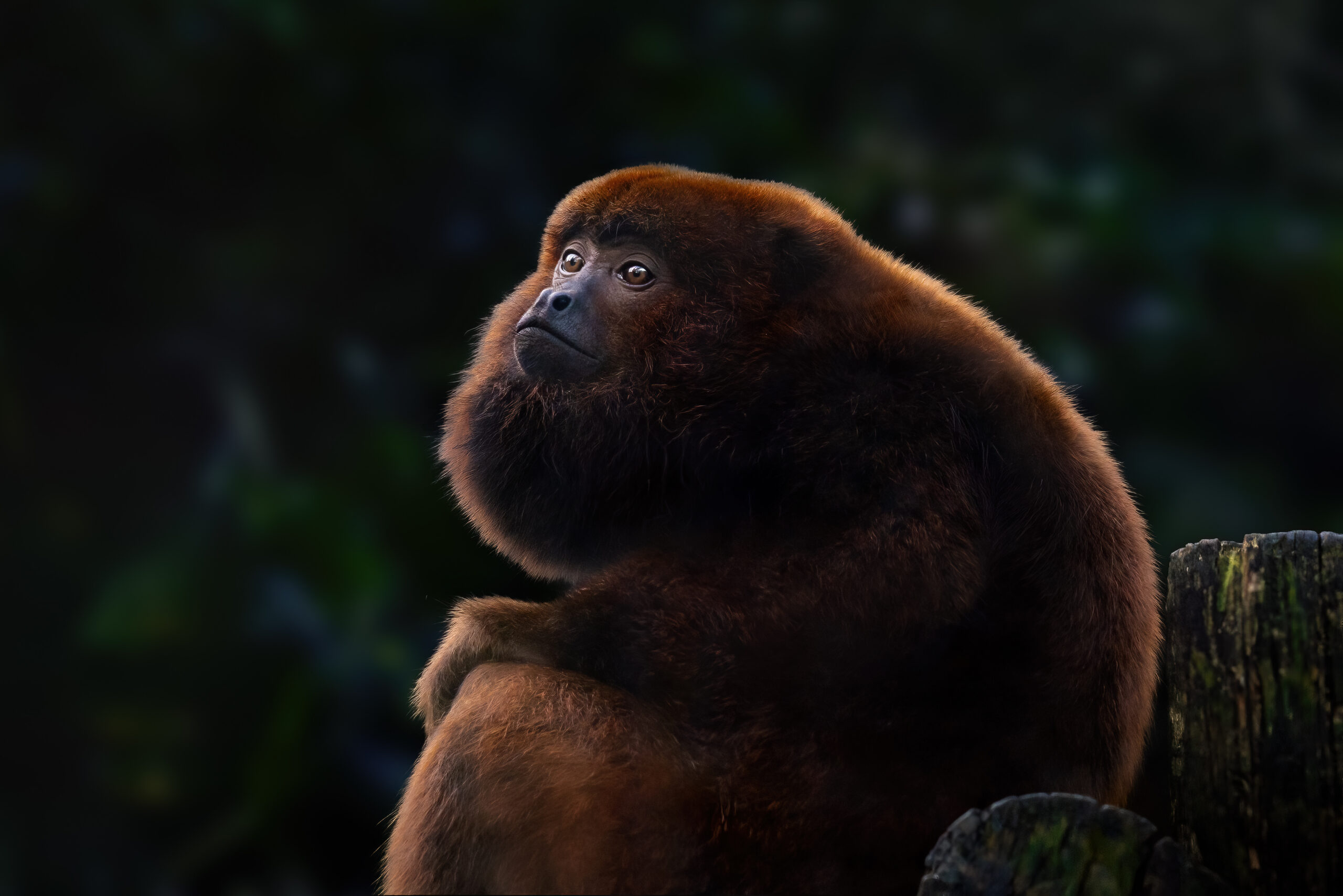
The brown howler monkey (Alouatta guariba) vanished from Rio de Janeiro’s Tijuca National Park for roughly 200 years, with its last confirmed sighting recorded by Charles Darwin in 1832. Now, the Brazilian nonprofit Refauna, with support from the Colossal Species Reintroduction Fund, is scaling up its long-running reintroduction program and releasing a new social group of yellow fever-vaccinated howler monkeys to reinforce an existing population of 12 to 14 individuals. The project also includes whole genome sequencing of the population’s founders to guide future genetic management of this small, recovering group.

In Partnership With

Refauna is a Brazilian nonprofit founded in 2010 to restore ecological interactions in the Atlantic Forest through species reintroduction and rewilding. Beyond brown howler monkeys, the organization has led successful reintroductions of red-rumped agoutis and, most recently, blue-and-yellow macaws to Tijuca National Park.

Why the Brown Howler Monkey Matters

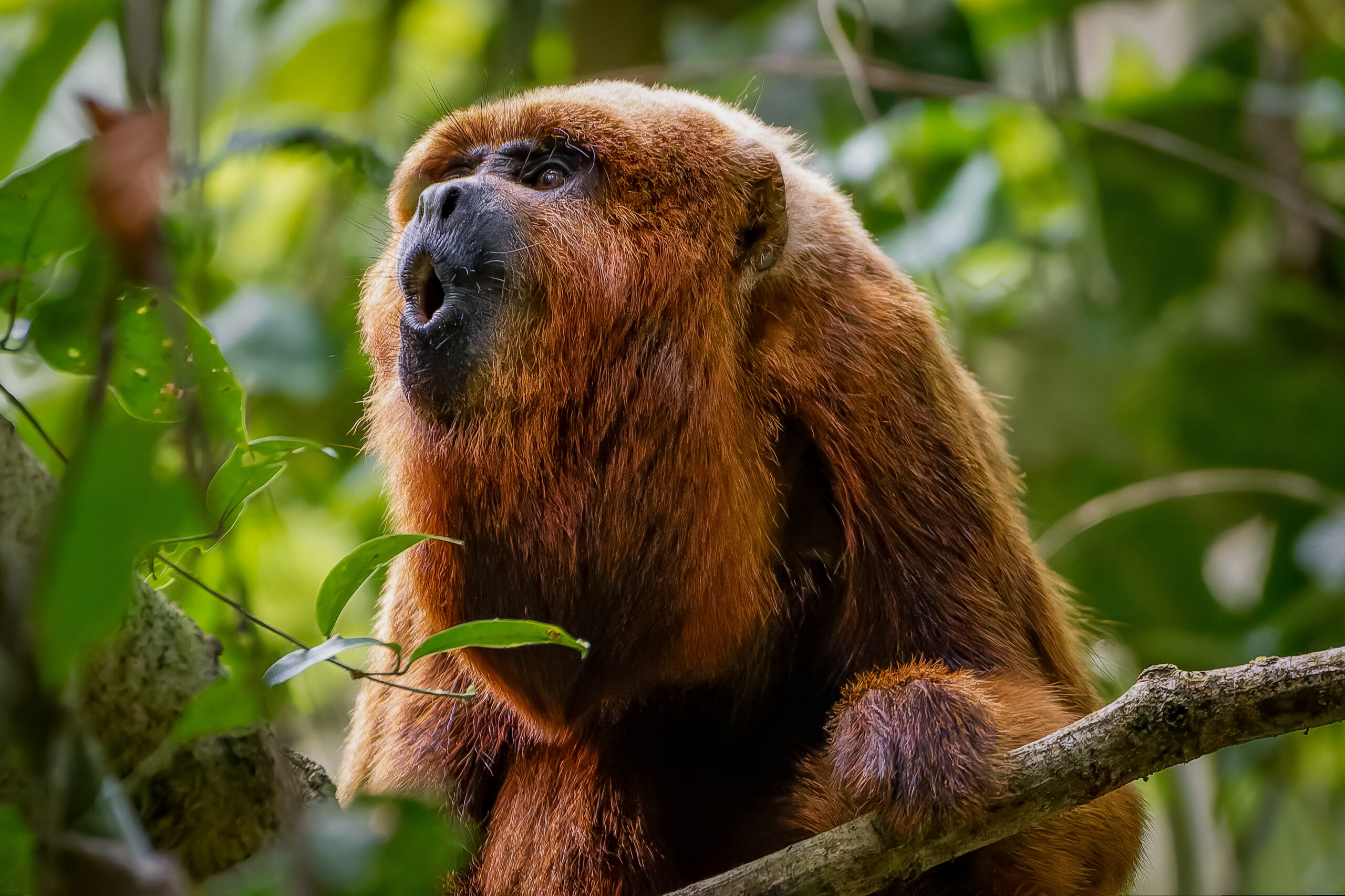
Howler monkeys are among the loudest land animals on Earth, producing calls that carry for kilometers through the forest canopy. But their ecological value extends far beyond sound. As folivore-frugivores, brown howler monkeys disperse seeds across the forest and play a critical role in its regeneration. With no large primates left in Tijuca National Park for nearly two centuries, successful reintroduction of brown howler monkeys could help recover the park’s broader ecosystem. 
Progress So Far

Refauna began planning the reintroduction in 2015 and released the first five brown howler monkeys into Tijuca National Park in 2016. The effort faced early setbacks: some captive-raised individuals struggled to adapt to life in the wild. In 2017, a yellow fever outbreak in Brazil prevented more howler monkeys from being translocated to the park. But in 2021, scientists successfully adapted a yellow fever vaccine originally developed for humans to protect howler monkeys, and Refauna resumed introducing vaccinated individuals to the park in 2023. Despite continued social integration challenges among groups, the program has produced a successful breeding pair and multiple births, and today 12 to 14 brown howler monkeys once again call Tijuca National Park home.

How the Species Reintroduction Fund is Helping

With the Colossal Foundation’s support, Refauna will advance the brown howler monkey’s recovery through:

New Social Group Release – Releasing a minimum of two additional vaccinated howler monkeys to reinforce Tijuca National Park’s existing population.

The Howler House – Establishing a large pre-release enclosure at the Centro de Primatologia do Rio de Janeiro to prepare future release groups.

Conservation Genomics – Sequencing the whole genomes of the population’s founders to guide long-term genetic management of this small, recovering group.