


Our Species

With Disruptive Conservation, We Can Save Animals & Their Ecosystems
With Disruptive Conservation, We Can Save Animals & Their Ecosystems
For the first time ever, humanity possesses the means to rectify our past missteps and heal nature on a massive scale. By building on the knowledge and successes of the conservationists that came before us, and utilizing breakthroughs in science and technology, we have an opportunity to turn the tide on extinction and secure a vibrant future for life on Earth.
At Colossal, nothing is more important than supporting species, balance and biodiversity in our planet’s ecosystems. That’s why our conservation efforts are ambitious and intentionally engineered to drive the development of technologies for the benefit of the future.


species Lab
& field notes

 African & Asian Elephants

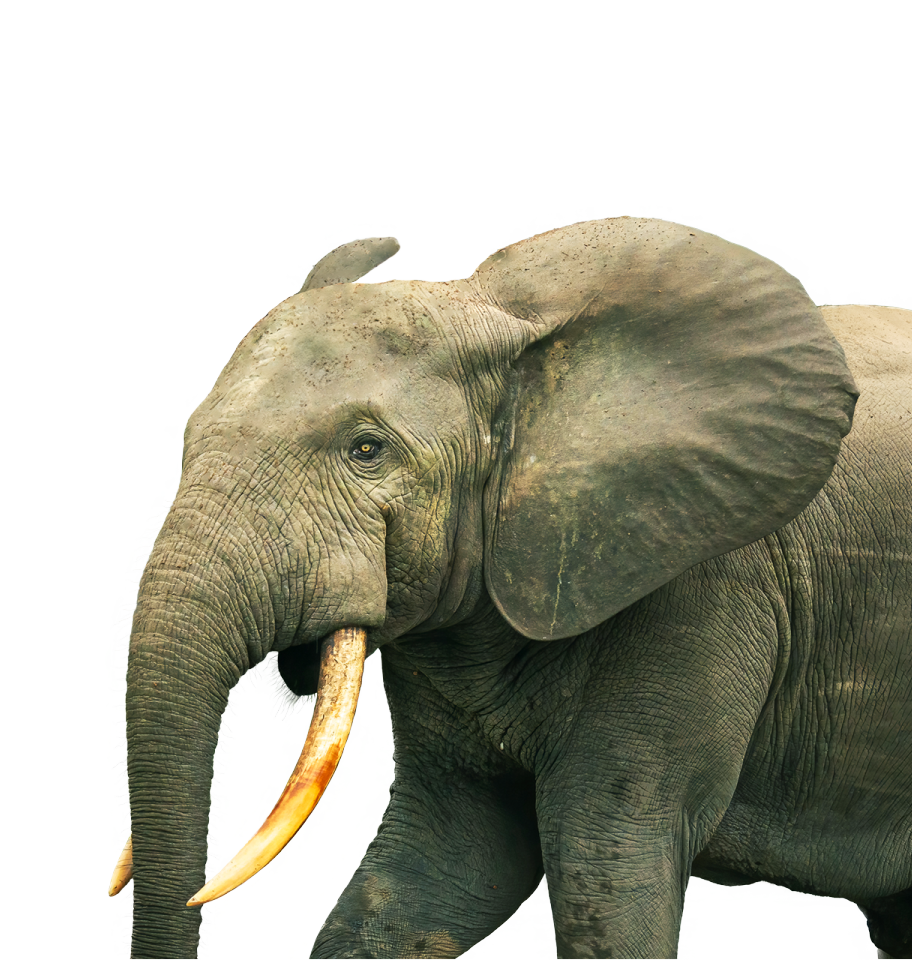
African Forest Elephants
Loxodonta cyclotis
- Est. Current Population: 95,000
- Class: Mammalia
- Order: Proboscidea
- Family: Elephantidae
- Genus: Loxodonta
- Region: West & Central Africa
- Avg. Weight: Up to 4,000 kg
 [ Status : Critically Endangered ]

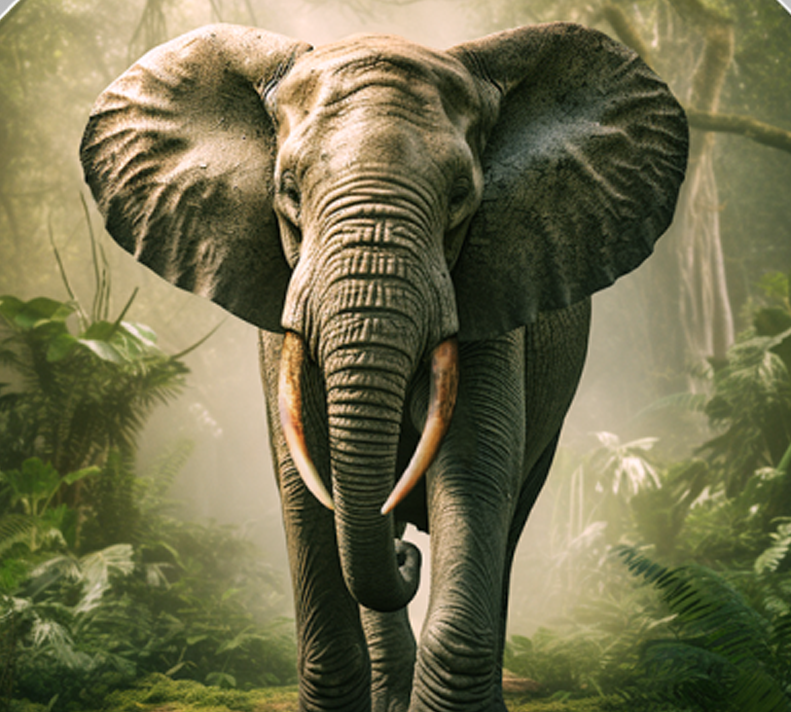
Population Threats
 EEHV
EEHV Habitat Loss
 Poaching
 Human-Elephant Conflict
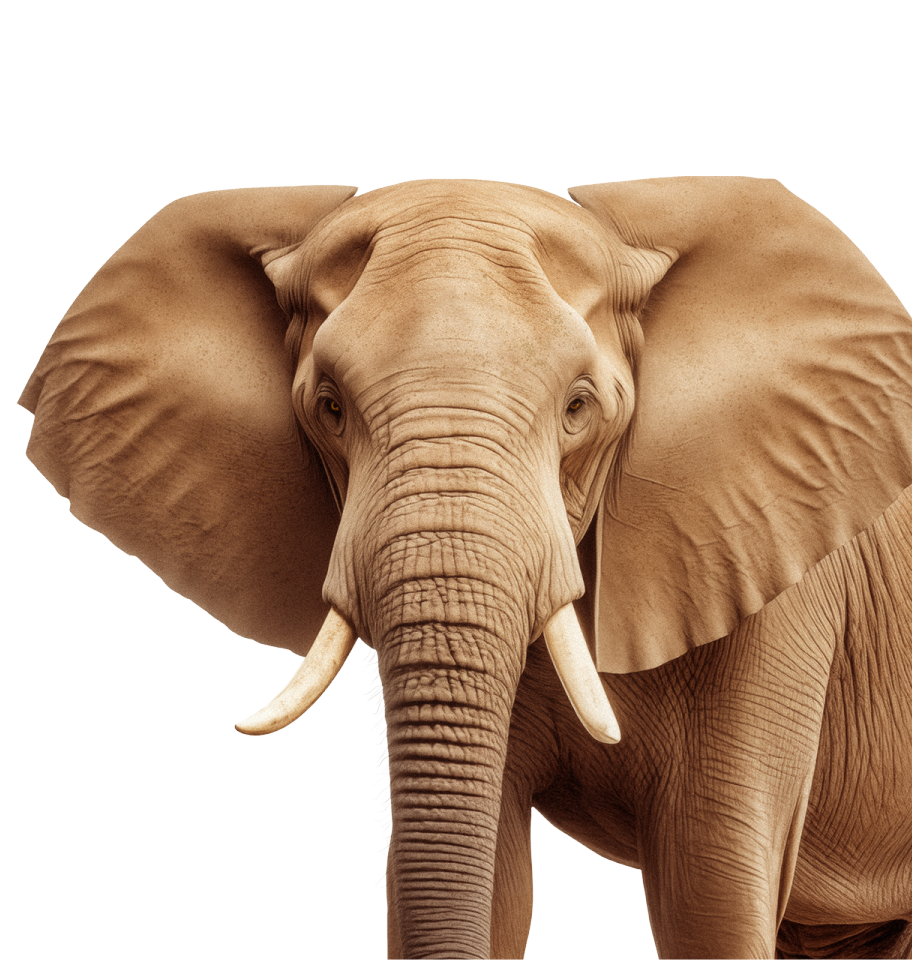
African Savanna Elephant
Loxodonta africana
- Est. Current Population: 350,000
- Class: Mammalia
- Order: Proboscidea
- Family: Elephantidae
- Genus: Loxodonta
- Region: Sub-Saharan Africa
[ Status : ENDANGERED ]
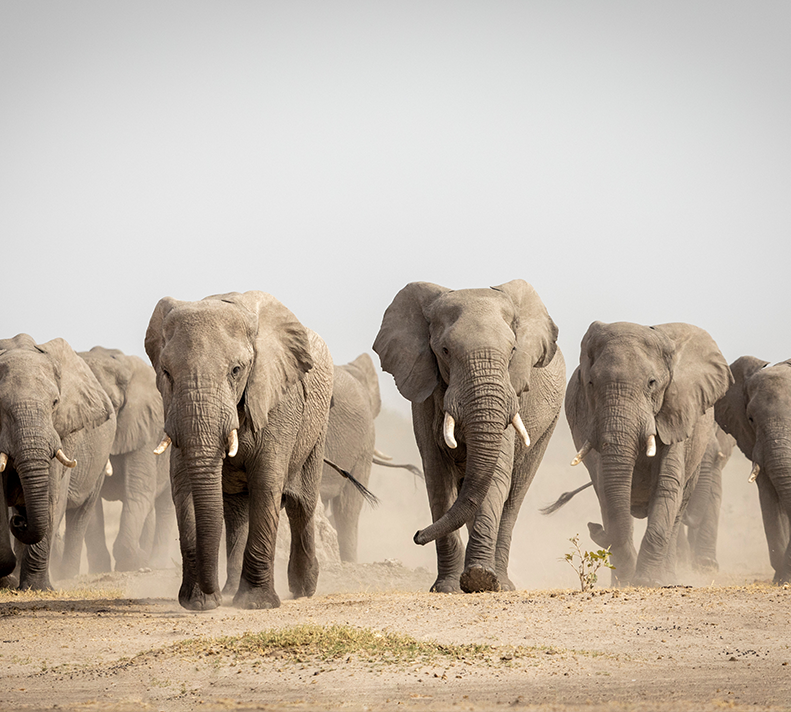
Population Threats
- EEHV
- Habitat Loss
- Poaching & Wildlife
- Human-Elephant Conflict
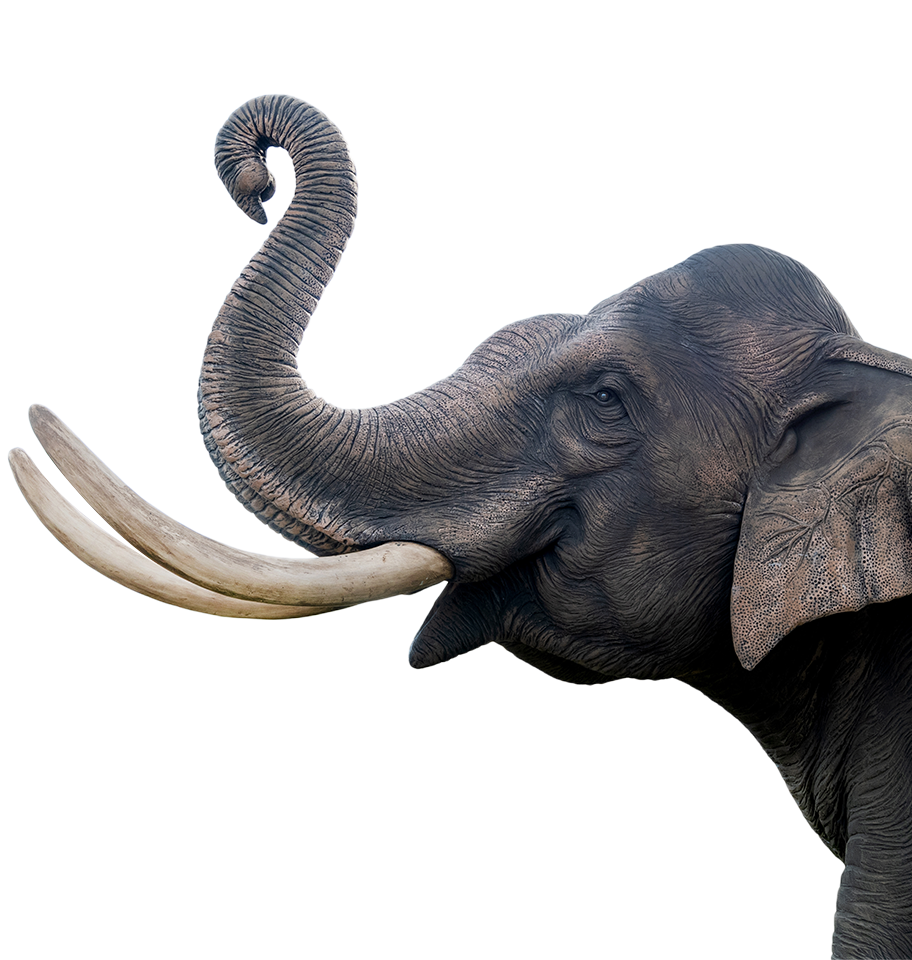
Asian Elephants
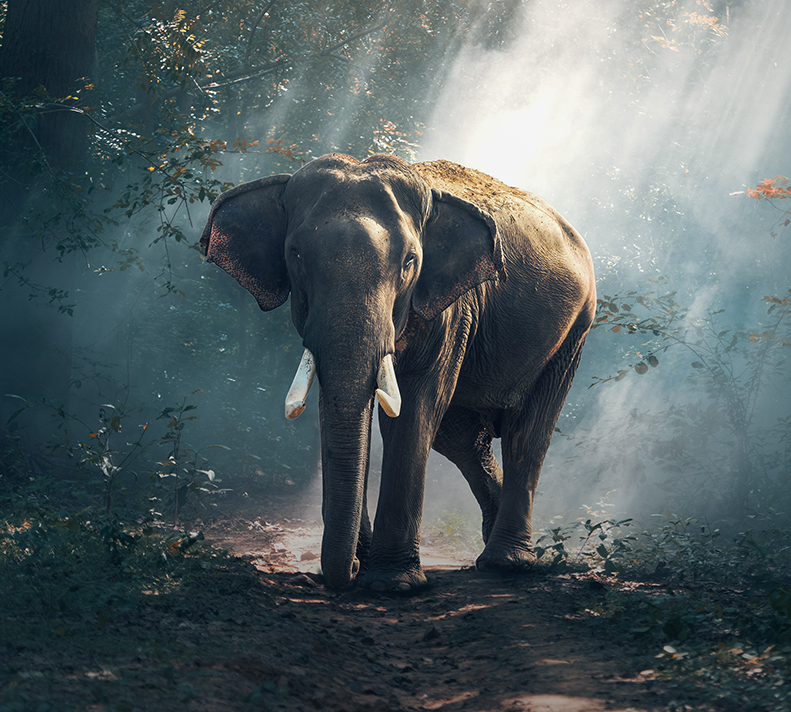
Elephas maximus
- Est. Current Population: <50,000
- Class: Mammalia
- Order: Proboscidea
- Family: Elephantidae
- Genus: Elephas
- Region: Indian subcontinent and Southeast Asia
- Avg. Length: 5.5–6.5 m (including trunk)
- Avg. Weight: 2.7 - 4 tons
[ Status : Endangered ]
Population Threats
- EEHV
- Habitat Loss
- Poaching
- Human-Elephant Conflict
Our Programs


In Partnership With:

AI-Enhanced Orphan Elephant Reintroduction
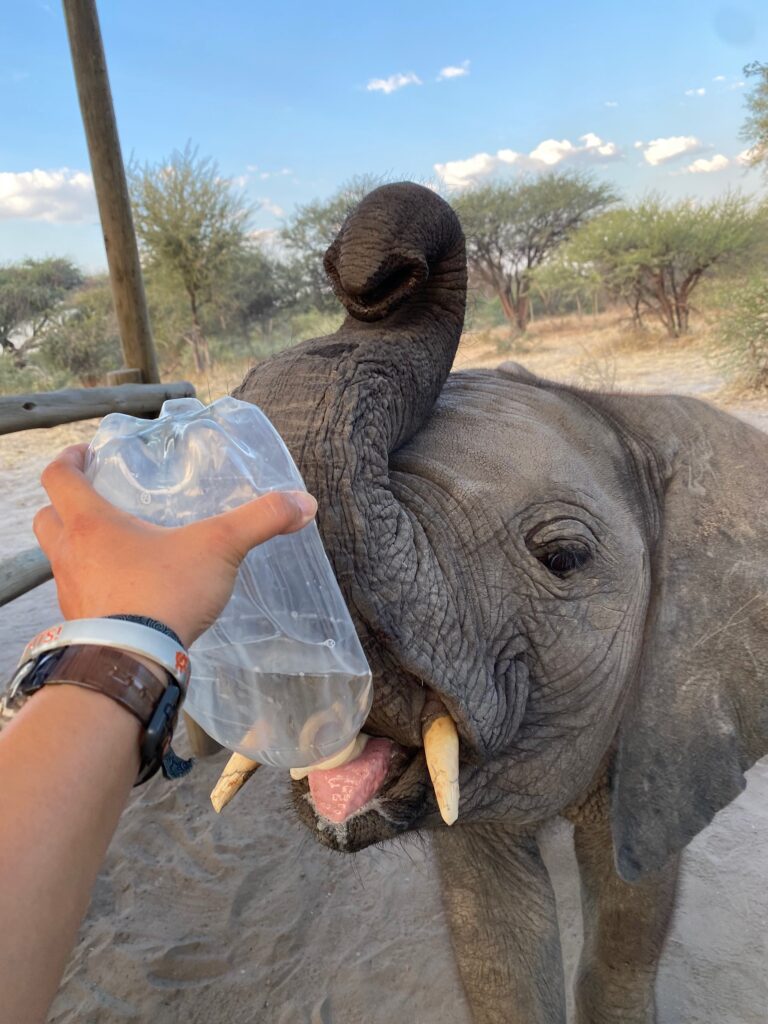
Partnering with Botswana’s Elephant Havens, we employ our AI platform to study orphaned elephants’ social development for eventual reintroduction. This aids Elephant Havens’ release strategies and provides valuable insights for rewilding elephants in herds lacking a strong adult presence.
Learn More
In Partnership With:

Elephant Drone Behavior Tracking
Deciphering the secrets of elephant behavior could revolutionize conservation for this iconic species. This project utilizes advanced drone technology and machine learning for tracking and studying African elephants, and aims to enhance conservation and research efforts by providing detailed insights into elephant behavior and social dynamics.
Learn More
In Partnership With:

Saving Elephants from a Deadly Virus
Elephant Endotheliotropic Herpes Virus (EEHV) is a leading cause of death among juvenile elephants worldwide. This project aims to combat EEHV by developing vaccines and treatments to protect both captive and wild elephant populations.
Learn More Banteng
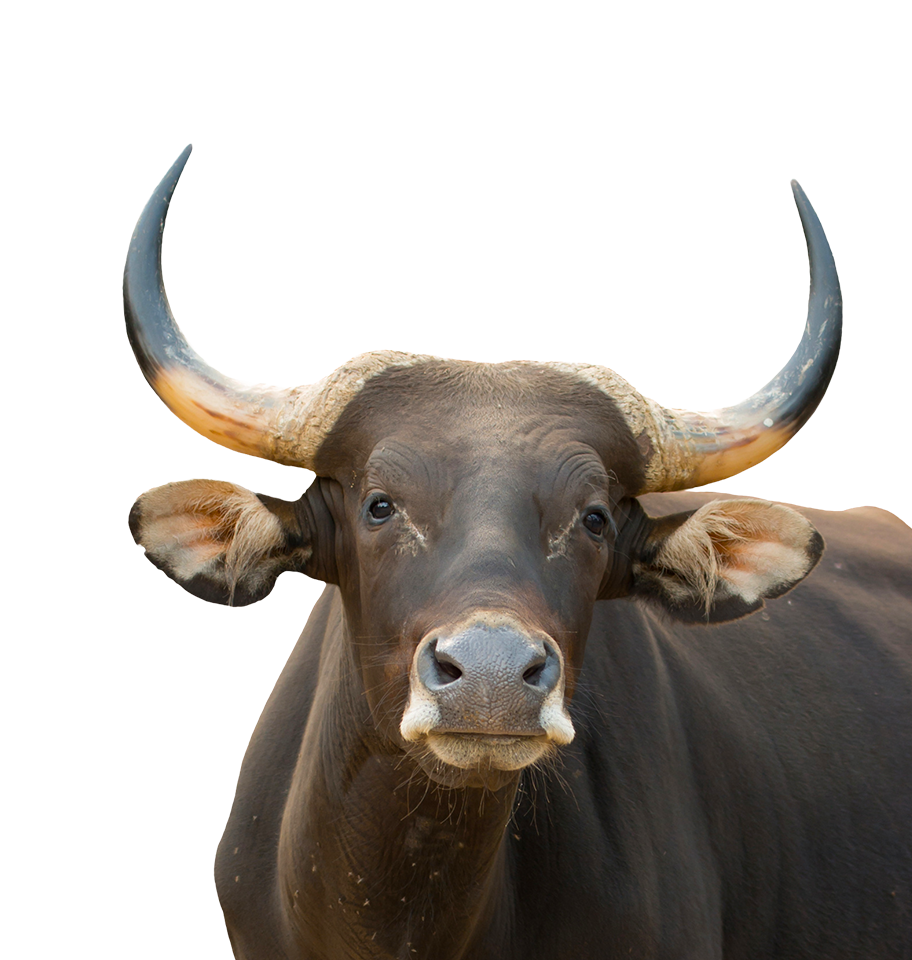
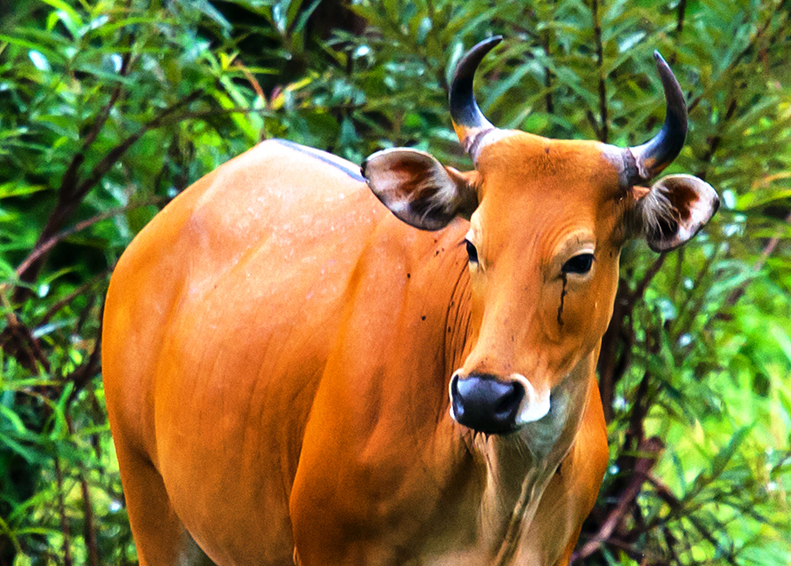
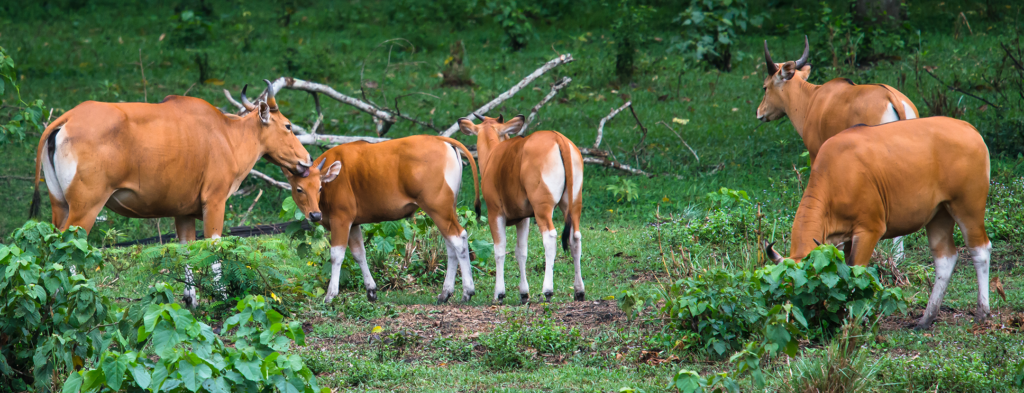
Banteng
Bos javanicus
- Est. Current Population: 2,475–4,900
- Class: Mammalia
- Order: Artiodactyla
- Family: Bovidae
- Genus: Bos
- Species: B. javanicus
- Region: Forests of Southeast Asia
[ Status : Critically Endangered ]
Population Threats
- Habitat Loss
- Illegal hunting
Our Programs

In Partnership With:

Rescuing Cambodia's Last Banteng and Relocating Them to Siem Pang Wildlife Sanctuary
The banteng (Bos javanicus), the world's second-largest wild cattle species, has all but vanished from Cambodia's forests, where decades of uncontrolled hunting and habitat loss drove a catastrophic population collapse of roughly 95 percent between the late 1960s and early 1990s. Now, Rising Phoenix Co. Ltd., with support from the Colossal Species Reintroduction Fund, is racing to save a small herd of banteng trapped in an isolated forest fragment slated for conversion to farmland. Building on two successful helicopter-assisted translocations that already relocated 32 banteng to Siem Pang Wildlife Sanctuary, this next phase aims to rescue up to 50 additional banteng and give them a permanent home within a protected, fenced safe haven.
Learn More Black-Footed Ferret
Black-Footed Ferret
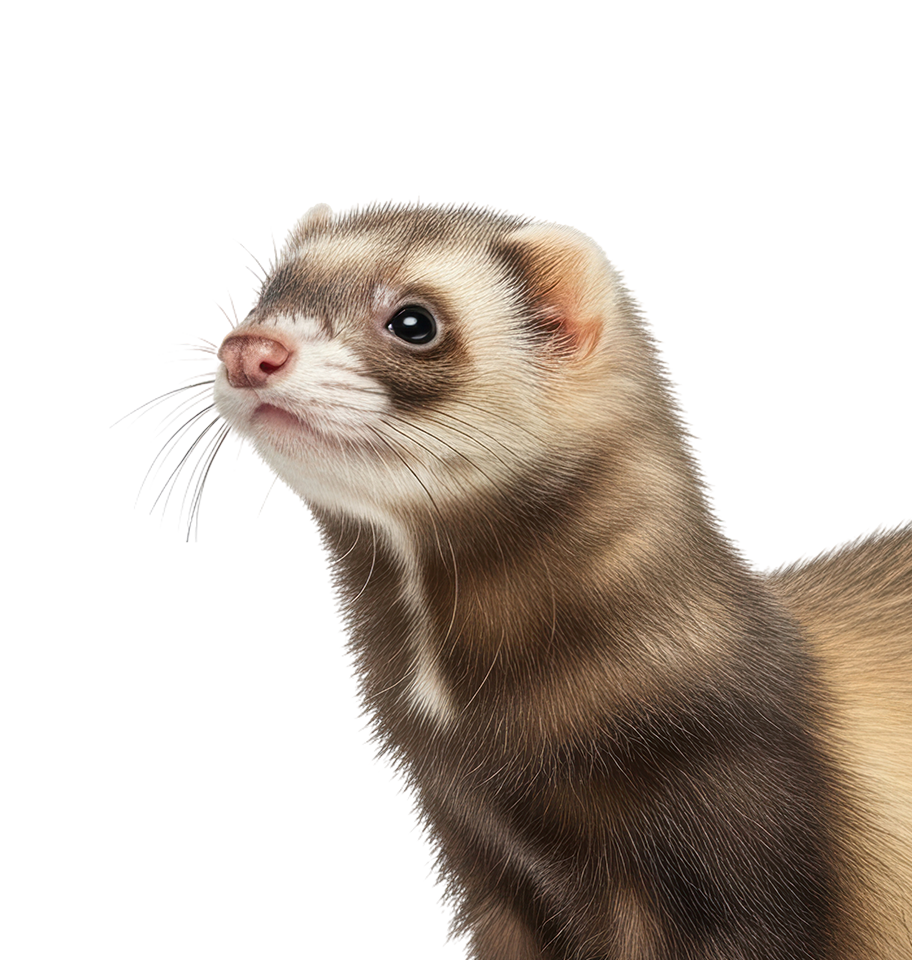
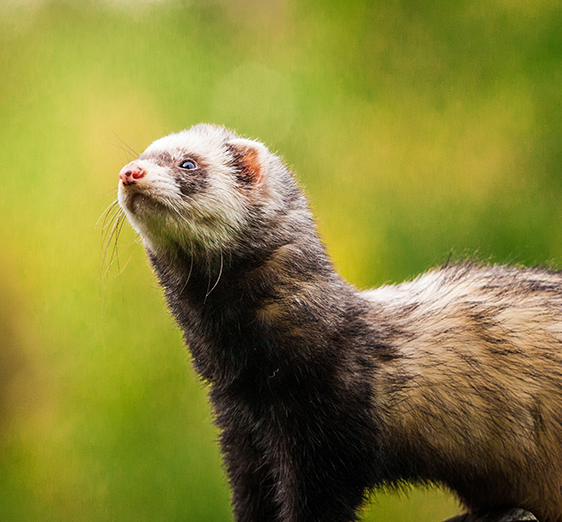
Mustela nigripes
- Est. Current Population: 300-500
- Class: Mammalia
- Order: Carnivora
- Family: Mustelidae
- Genus: Mustela
- Region: The mountain basins and semi-arid grasslands of North America’s Great Plains
- Avg. Length: 48–61 cm | 19–24 in
- Avg. Weight: 635–1,134 g | 1.4–2.5 lb
[ Status : Endangered ]
Population Threats
- Habitat Loss
- Disease
Our Programs
In Partnership With:
Returning the Black-Footed Ferret to South Dakota's Bad River Ranch
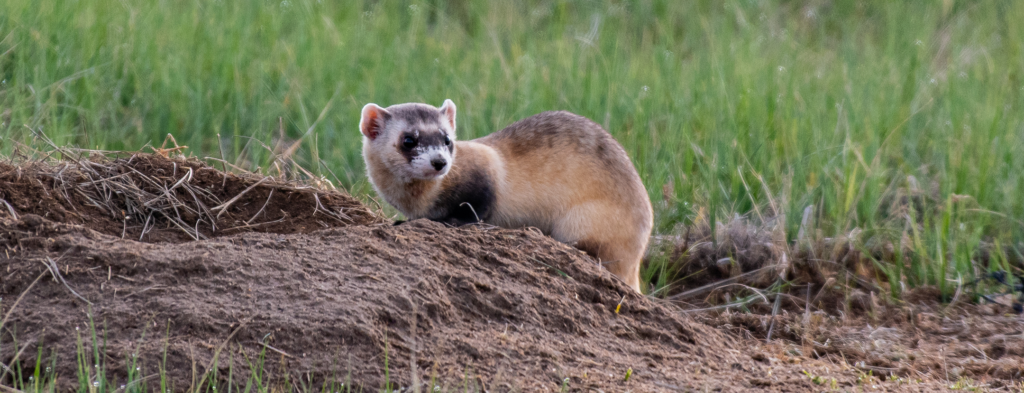
The black-footed ferret (Mustela nigripes) is one of the rarest carnivores in North America, brought back from the brink of extinction not once but twice. Now, the Turner Institute of Ecoagriculture, with support from the Colossal Species Reintroduction Fund, is reintroducing up to 30 captive-bred black-footed ferrets to Bad River Ranch, a working bison ranch in South Dakota. The project pairs ferret releases with continued expansion of black-tailed prairie dog colonies, the species' obligate prey base that provides the overwhelming majority of its diet and all of its denning habitat. The releases build toward a self-sustaining population that can help meet federal delisting criteria.
Learn More Black Lion Tamarin
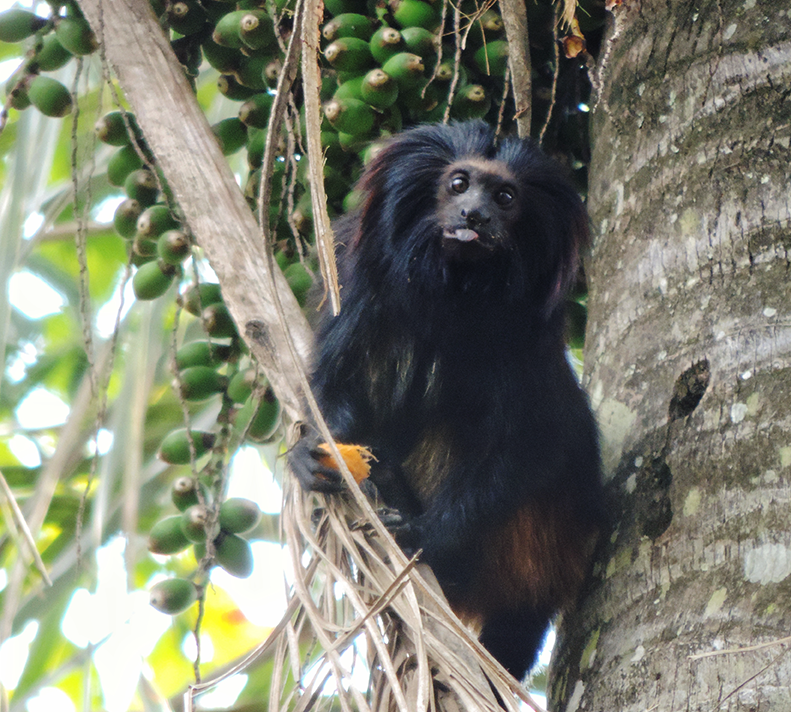
Black Lion Tamarin
Leontopithecus chrysopygus
- Estimated Population: Less than 1,600
- Class: Mammalia
- Order: Primate
- Family: Callitrichidae
- Genus: Leontopithecus
[ Status : Endangered ]
Population Threats
- Habitat Loss
 Illegal Pet Trade Pressures
 Genetic Diversity
Our Programs
In Partnership With:

The Black Lion Tamarin Comeback Story
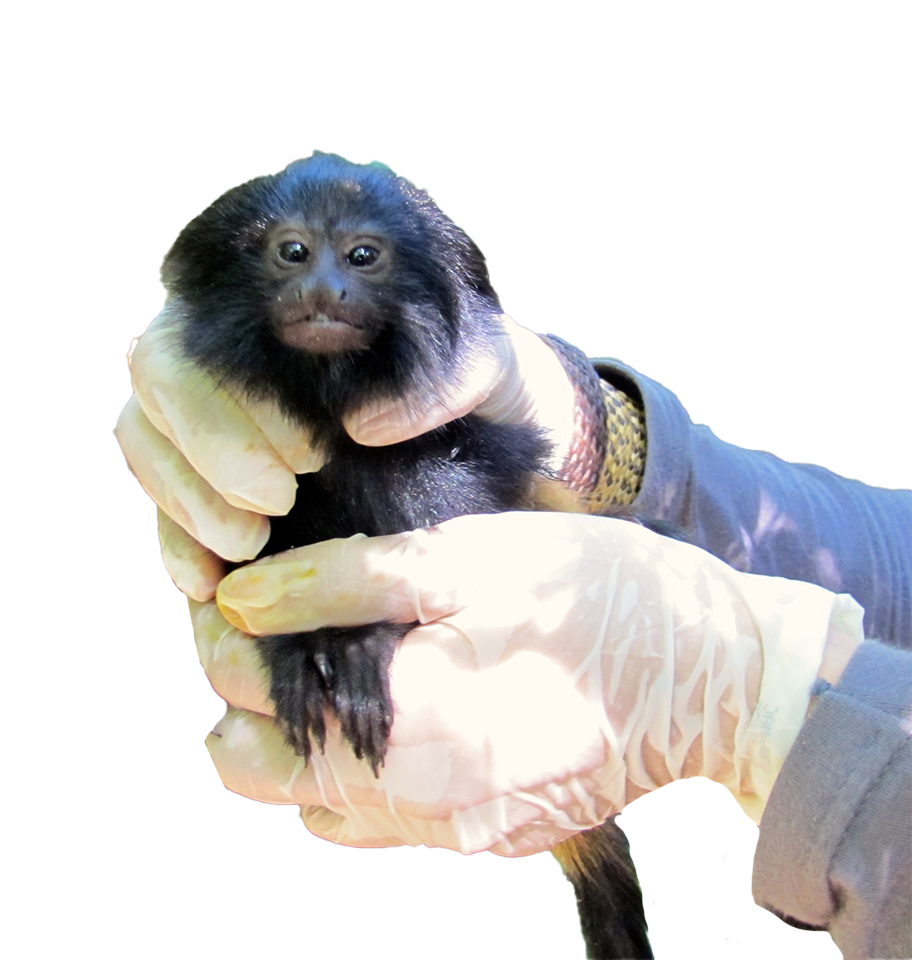
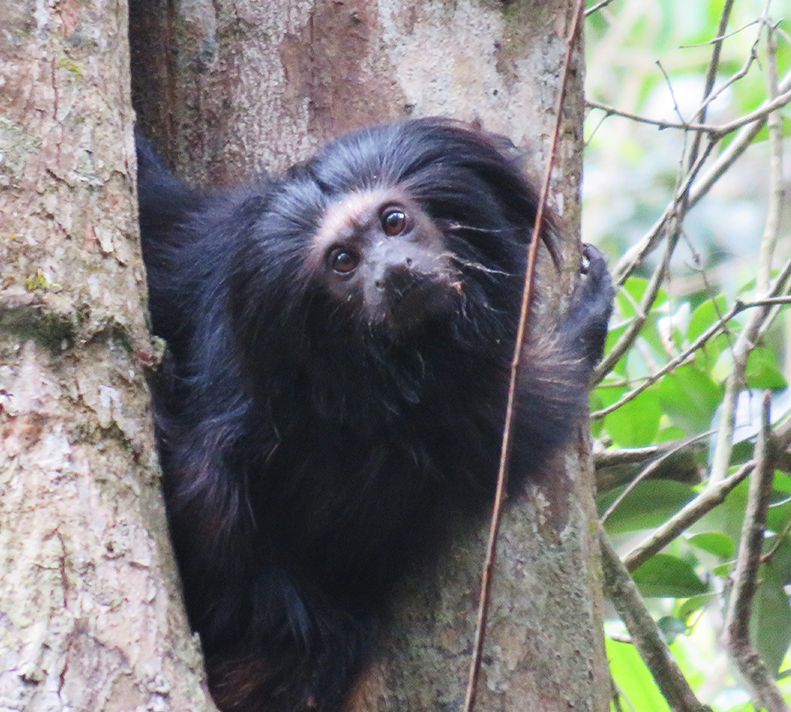
Once stretched along Brazil’s southeast coast, the Atlantic Forest is now a green archipelago; less than 30 percent of its original canopy remains. In these islands of trees, the black lion tamarin (Leontopithecus chrysopygus), a primate found nowhere else on Earth, clings to survival. With fewer than 1,600 individuals left, this Endangered species is a symbol of hope for one of the world’s most biodiverse ecosystems. The Instituto de Pesquisas Ecológicas (IPÊ), with support from the Colossal Foundation’s Species Reintroduction Fund, is working to secure a future for the tamarins through population management, habitat restoration, and community engagement in São Paulo’s Pontal do Paranapanema region.
Learn More Bolson Tortoise
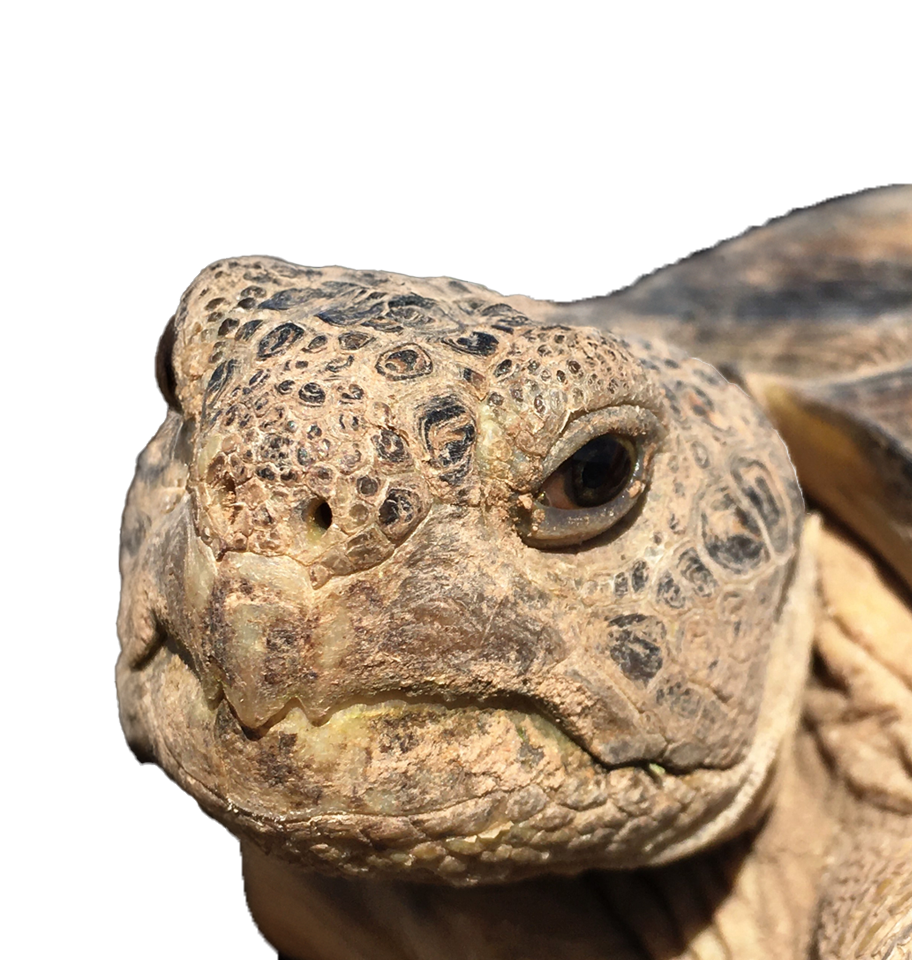
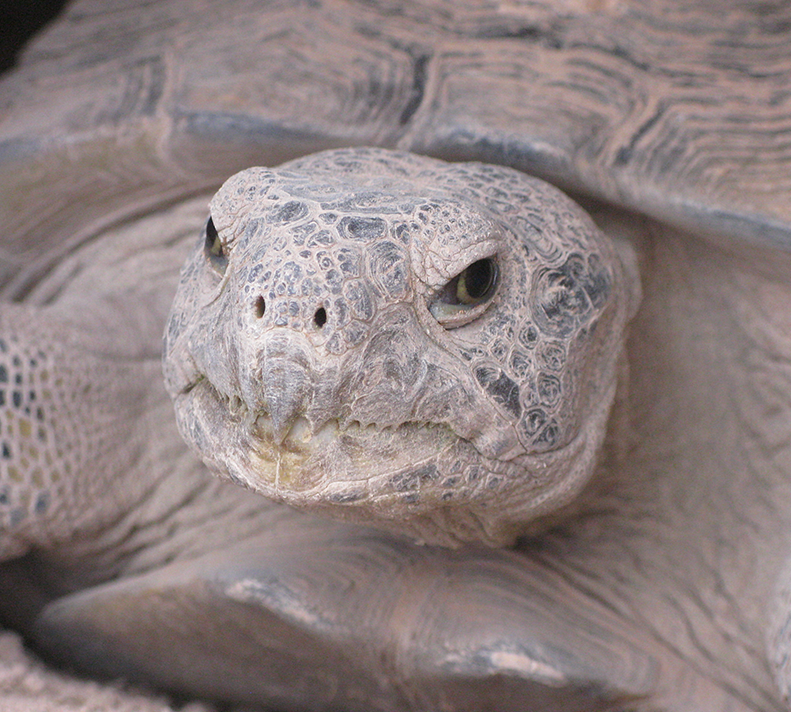
Bolson Tortoise
Gopherus flavomarginatus
- Estimated Population: 2,500
- Class: Reptilia
- Order: Testudines
- Family: Testudinidae
- Genus: Gopherus
[ Status : Critically Endangered ]
Population Threats
- Habitat Loss
- Illegal Pet Trade
- Predation by Introduced Species
 Climate Change
 Slow Reproductive Rate
Our Programs
In Partnership With:
Rewilding the Bolson Tortoise to the American Southwest
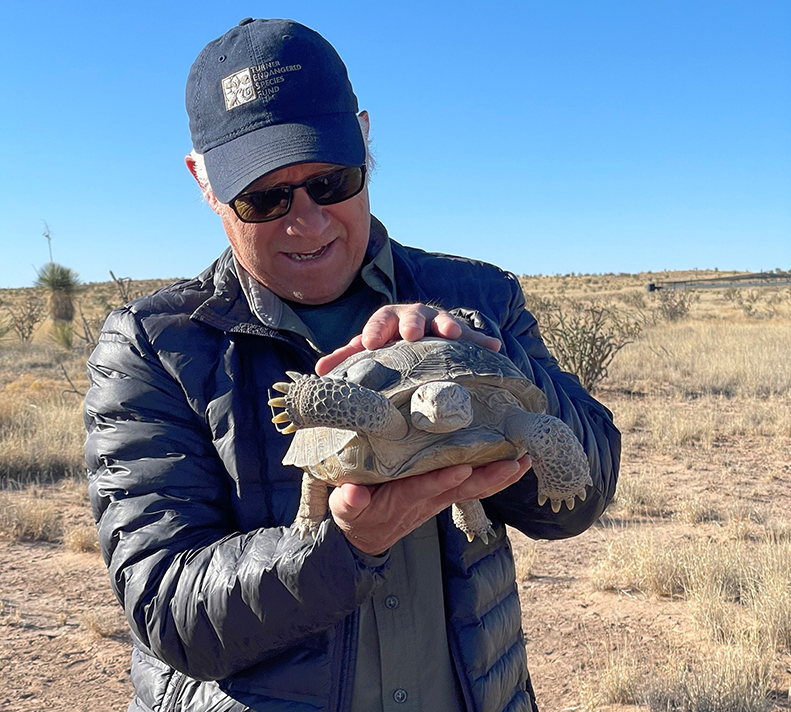
Beneath the sun-baked deserts of New Mexico, the Turner Endangered Species Fund (TESF) is bringing back a prehistoric relic—the Bolson Tortoise (Gopherus flavomarginatus). Once, these gentle giants lumbered across desert grasslands from the American Southwest into Mexico. Climate shifts and human pressure led to its vanishing from its United States range over 10,000 years ago. Today, the Bolson tortoise is listed as Critically Endangered, with a global wild population numbering less than 2,500 animals. Since 2006, TESF has been leading managed breeding and headstarting efforts, raising the first U.S.-born Bolson tortoise in 10,000 years, and begun releasing young tortoises onto vast, predator-managed grasslands.
Learn More Brown Howler Monkey
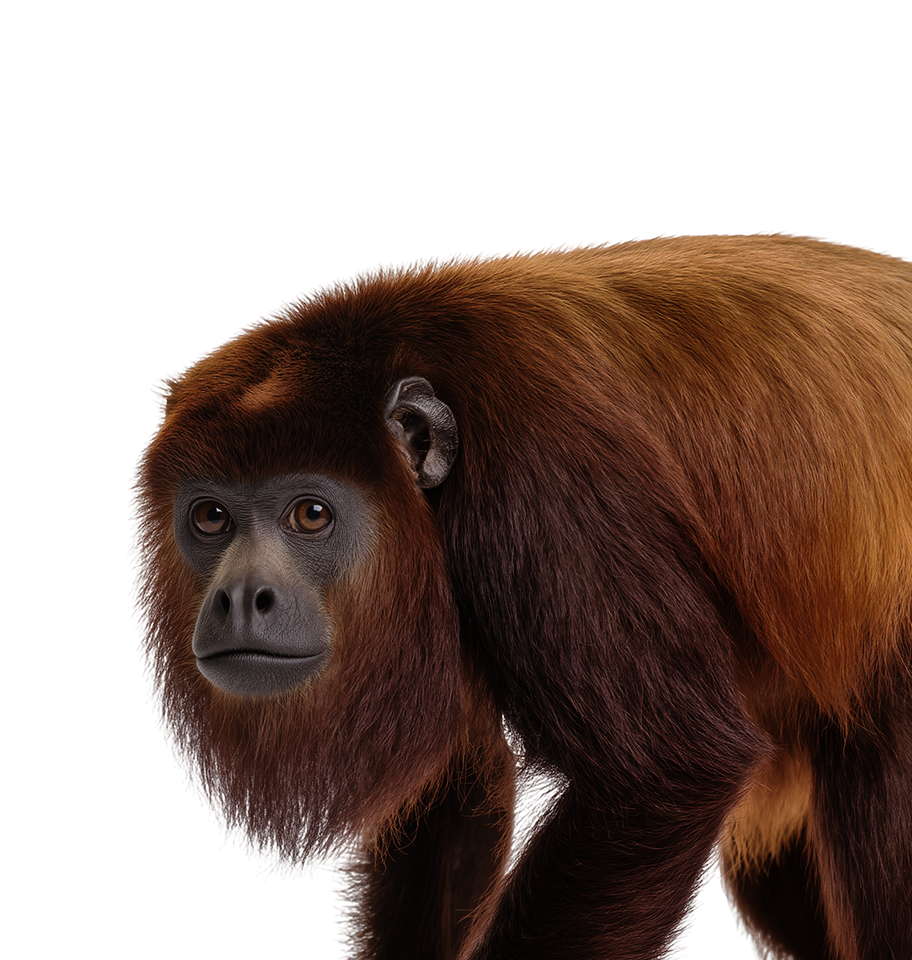
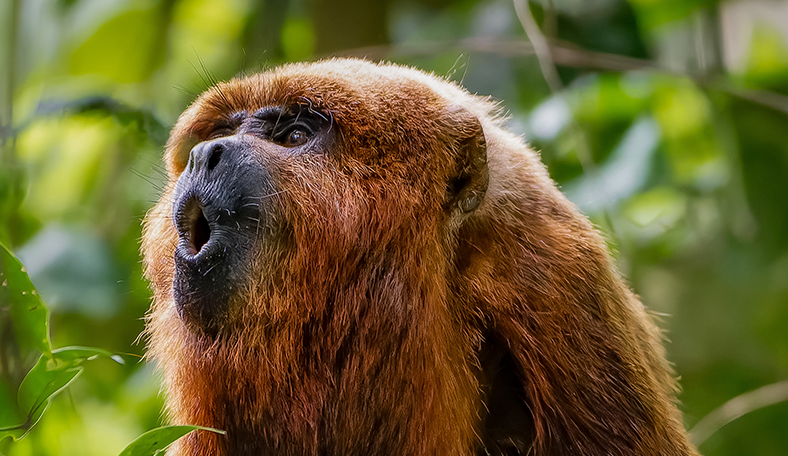
Brown Howler Monkey
Alouatta guariba
- Est. Current Population: Unknown
- Class: Mammalia
- Order: Primates
- Family: Atelidae
- Genus: Alouatta
- Region: The Atlantic Forest of Argentina and Brazil
- Avg. Length: 56–92 cm | 22–36 in
- Avg. Weight: females 4.4 kg | 9.7 lb and males 6.7 kg | 14.8 lb
[ Status : Vulnerable ]
Population Threats
- Habitat Loss
- Disease
Vehicle Accidents
Predation by Domestic Dogs
Our Programs
In Partnership With:

Bringing the Brown Howler Monkey's Roar Back to Rio de Janeiro's Tijuca National Park
The brown howler monkey (Alouatta guariba) vanished from Rio de Janeiro's Tijuca National Park for roughly 200 years, with its last confirmed sighting recorded by Charles Darwin in 1832. Now, the Brazilian nonprofit Refauna, with support from the Colossal Species Reintroduction Fund, is scaling up its long-running reintroduction program and releasing a new social group of yellow fever-vaccinated howler monkeys to reinforce an existing population of 12 to 14 individuals. The project also includes whole genome sequencing of the population's founders to guide future genetic management of this small, recovering group.
Learn More California Condor
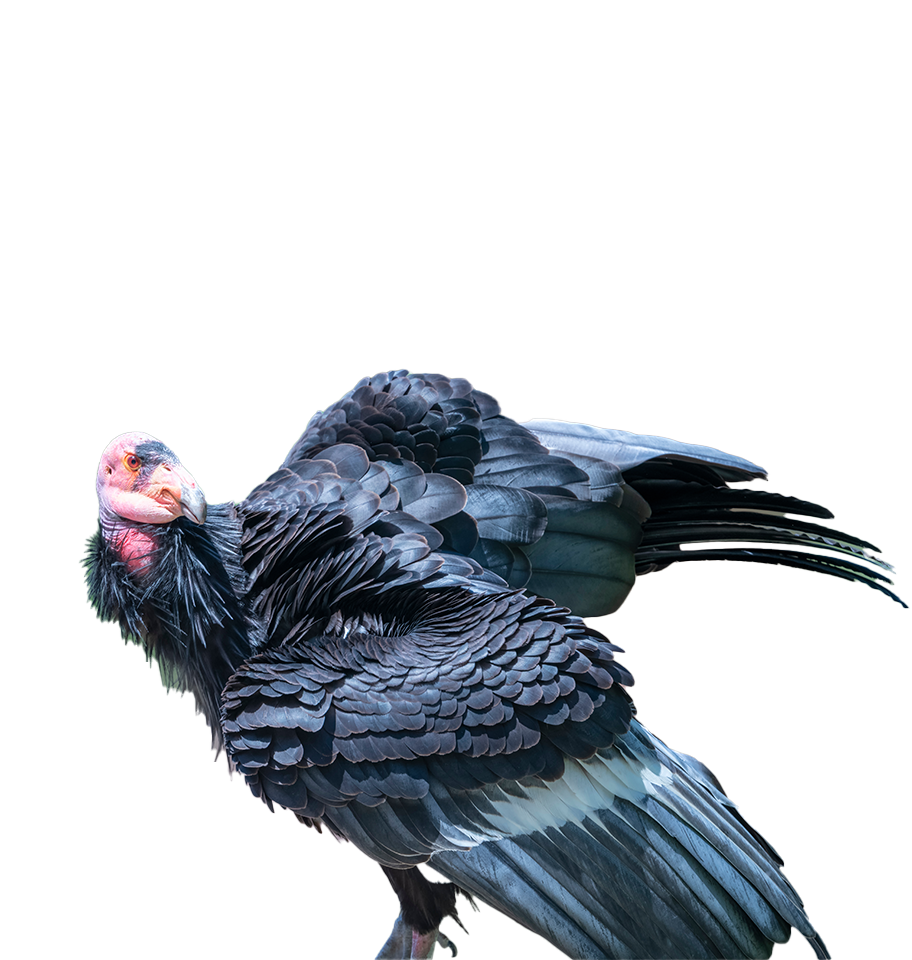
California Condor
Gymnogyps californianus
- Estimated Population: ~340 wild birds
- Class: Aves
- Order: Accipitriformes
- Family: Cathartidae
- Genus: Gymnogyps
[ Status : Critically Endangered ]
Population Threats
 Lead poisoning from ingesting spent lead ammunition fragments
- Habitat loss and degradation
- Microtrash ingestion by chicks, which can cause injury or death
 Power line collisions and electrocutions
- Low reproductive rate
- Historical overhunting and poisoning
Our Programs
In Partnership With:
Restoring Qu’nes: The Nez Perce Condor Recovery
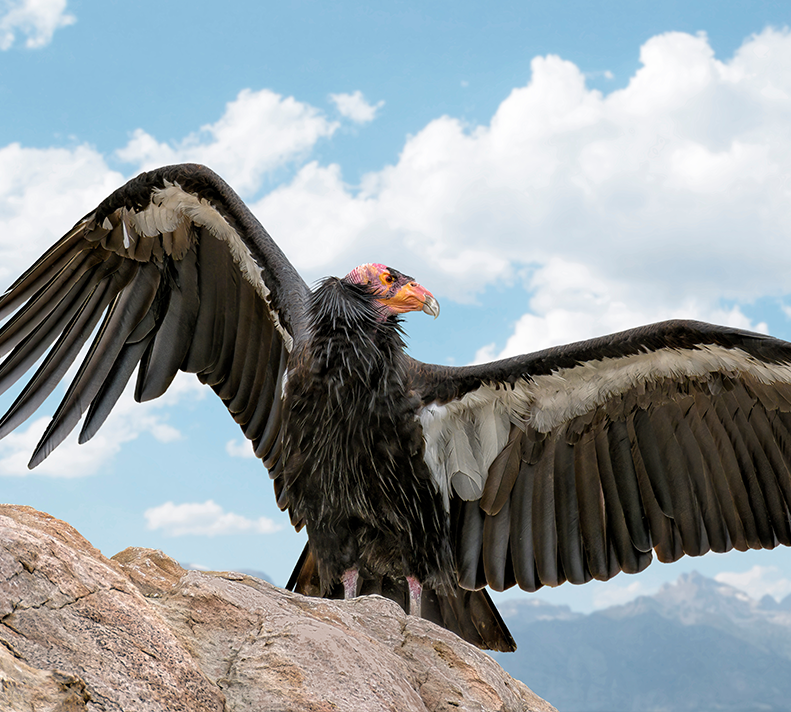
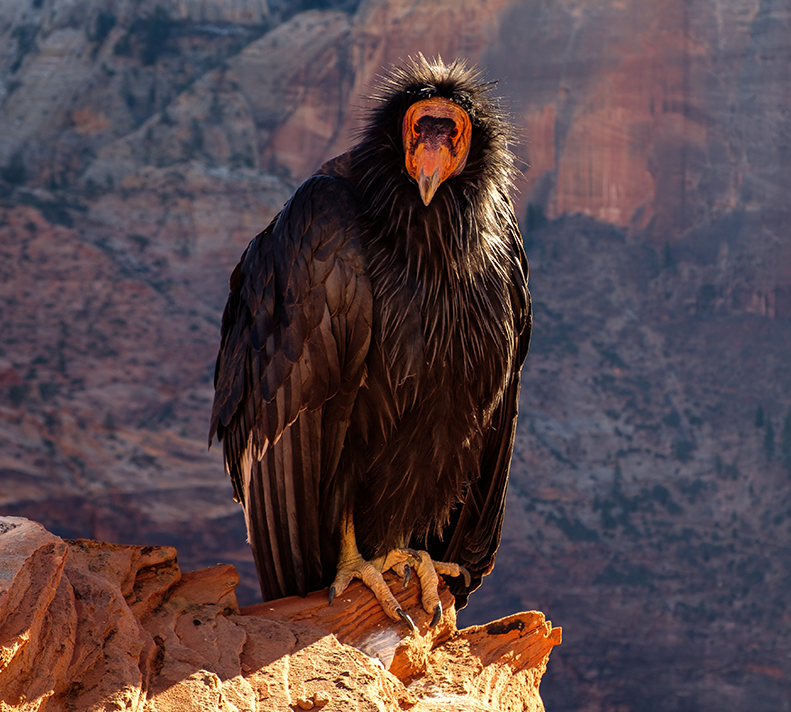
The colossal 10-foot wingspan of the qú’nes (condor) once shadowed the sheer walls of Hells Canyon, North America’s deepest gorge and a sacred part of the Nez Perce homeland. The California condor (Gymnogyps californianus), now Critically Endangered, has been absent here for more than a century. The Nez Perce Tribe’s Wildlife Division, with support from the Colossal Foundation’s Species Reintroduction Fund, is leading an effort to bring North America's largest land bird back to their ancestral homeland, reviving both an ecological cornerstone and a cultural touchstone.
Learn More Campbell’s Alligator Lizard
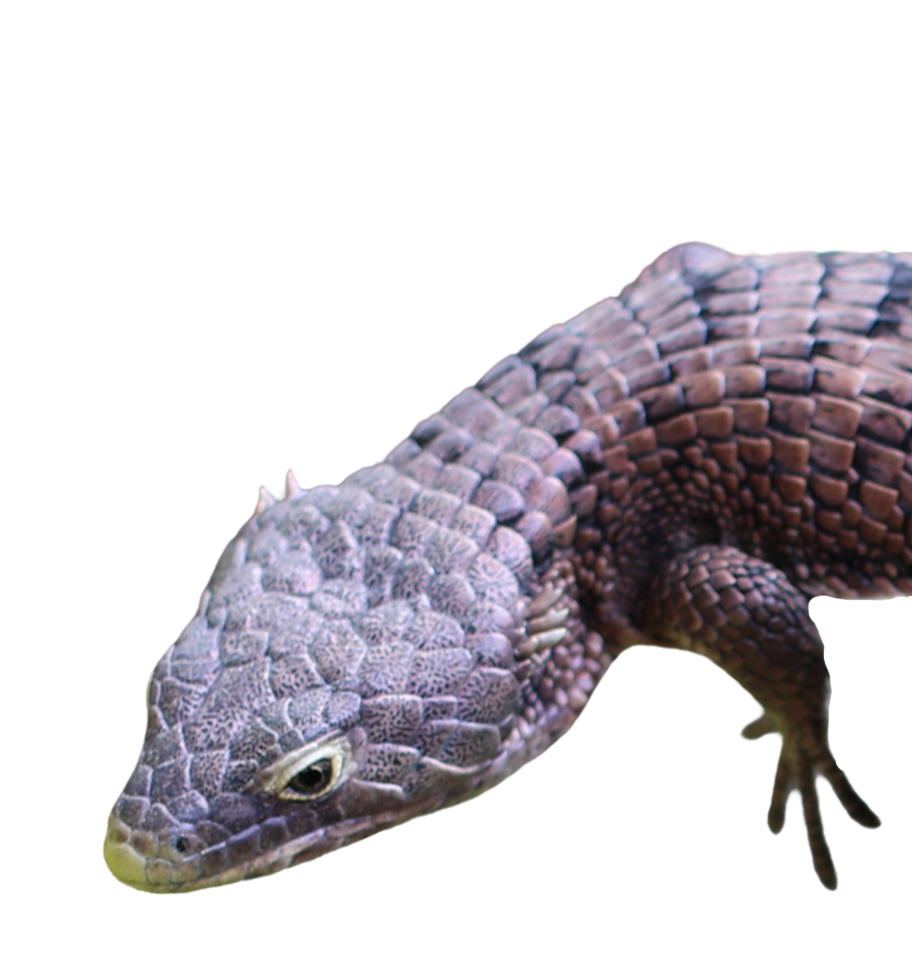
Campbell’s Alligator Lizard
Abronia campbelli
- Estimated Population: 2,500
- Class: Reptilia
- Order: Squamata
- Family: Anguidae
- Genus: Abronia
- Region: Guatemala
[ Status : Critically Endangered ]
Population Threats
- Habitat loss
Illegal pet trade
Our Programs
In Partnership With:
Restoring a Cloud Forest to Bring Back Campbell's Alligator Lizard
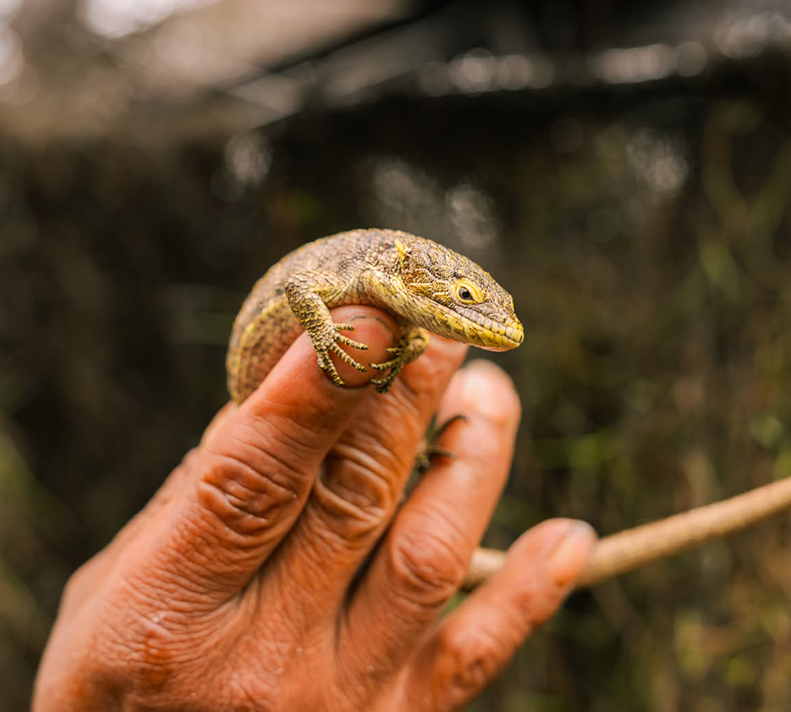
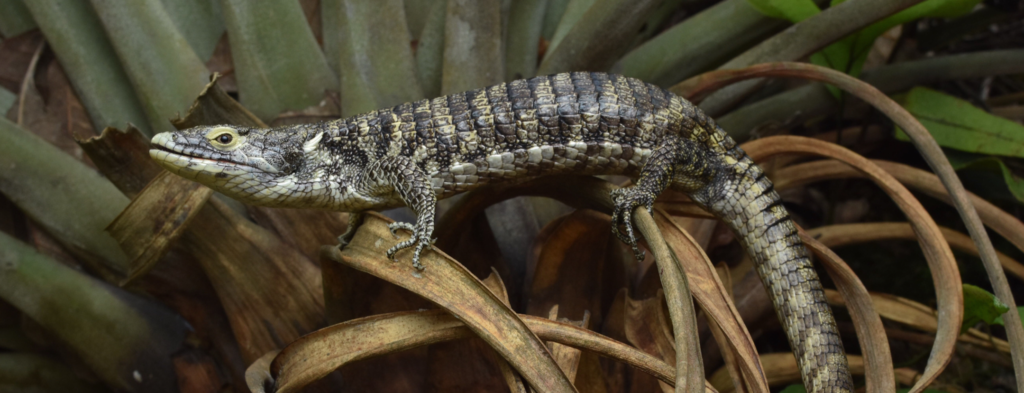
High in the cloud forests of eastern Guatemala lives one of the world's most elusive reptiles: Campbell's alligator lizard (Abronia campbelli). These armored ambush predators live high in the canopy, more than a mile above sea level. Now, the Foundation for the Endangered Species of Guatemala (FUNDESGUA) is launching a habitat restoration effort to bring this species back from the brink of extinction with the help of the Colossal Species Reintroduction Fund.
Learn More Golden Skiffia
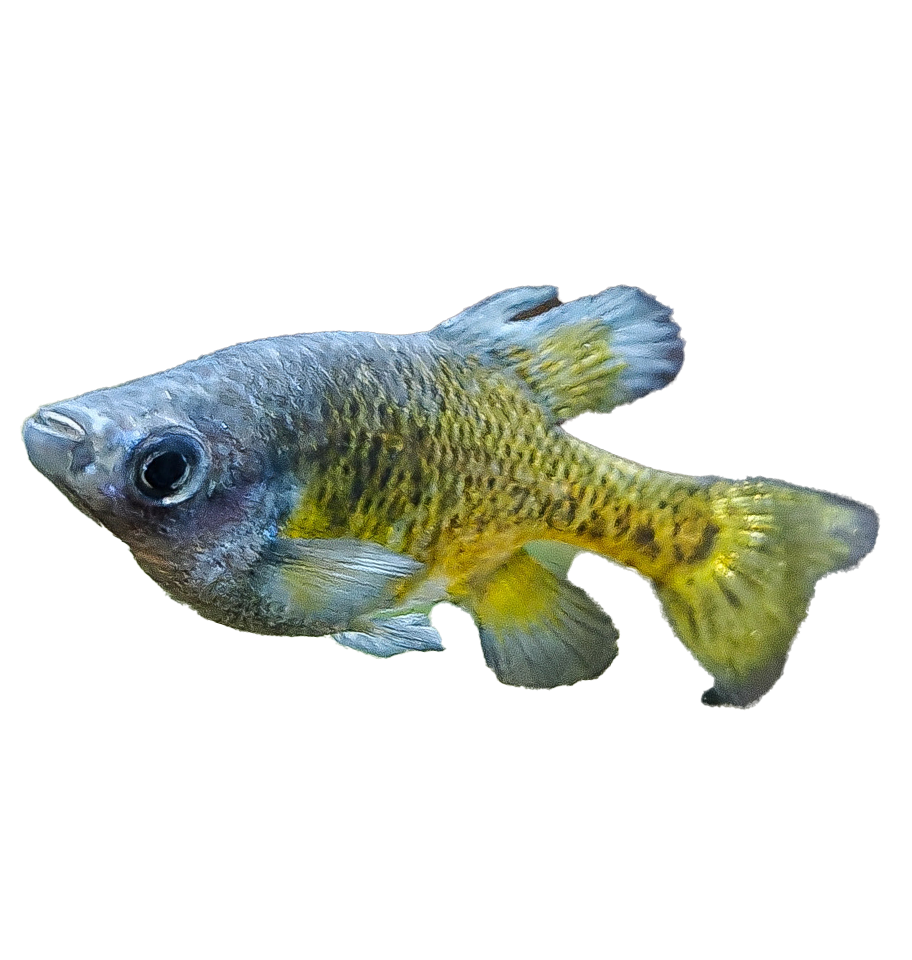
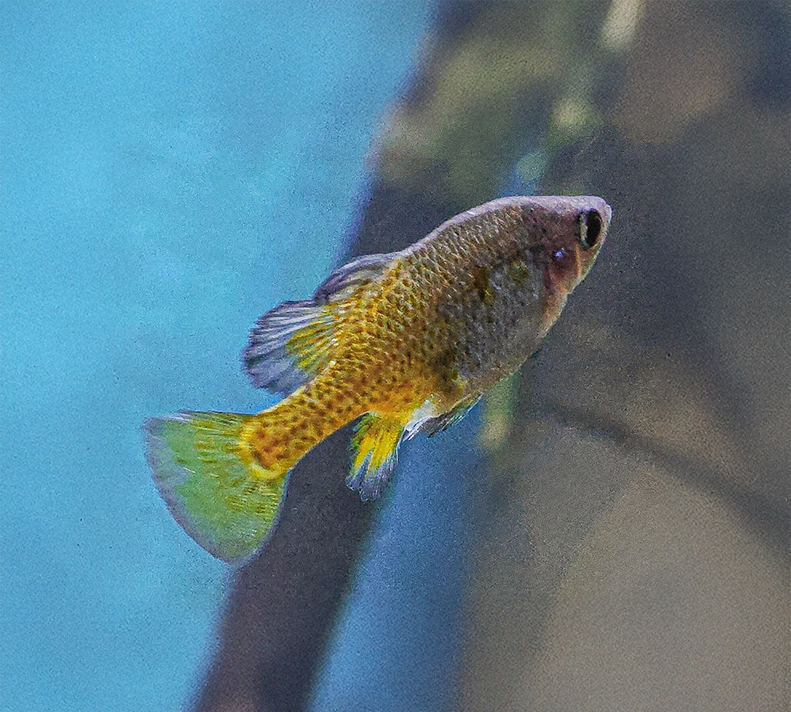
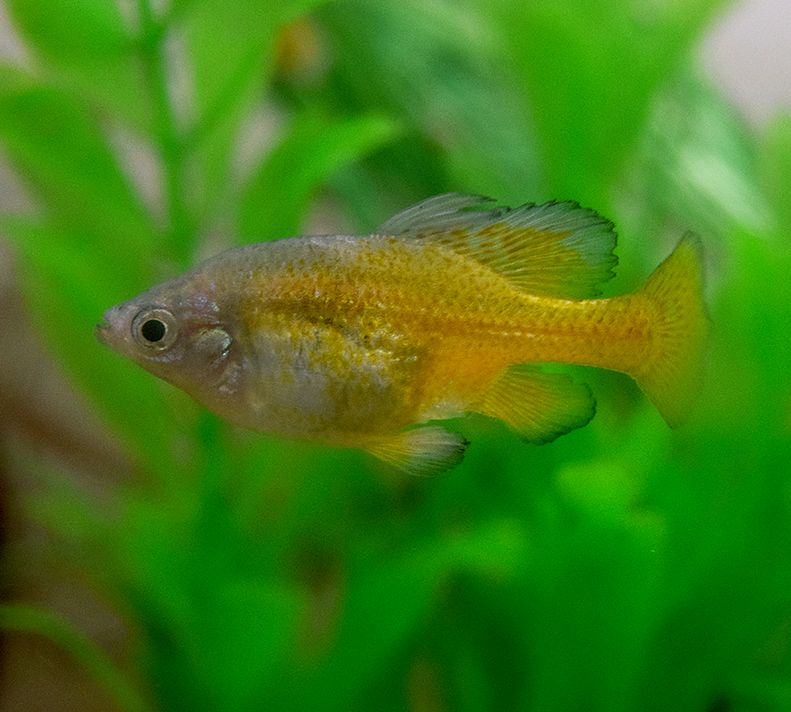
Golden Skiffia
Skiffia francesae
- Estimated Population: Extinct in the Wild
- Class: Actinopterygii
- Order: Cyprinodontiformes
- Family: Goodeidae
- Genus: Skiffia
[ Status : Extinct in the Wild ]
Population Threats
- Habitat loss and degradation from water pollution and water diversion
 Invasive species competing for resources
 Small, isolated populations vulnerable to environmental changes
Our Programs
In Partnership With:

Bringing the Golden Skiffia Home to Mexico’s Teuchitlán River
Mexico’s golden skiffia (Skiffia francesae) disappeared from the wild a generation ago, its spring-fed pools choked by pollution and invasive fish. Today the species clings to existence in a captive hatchery program, where scientists have preserved precious individuals that hold the promise of species survival. Now, the Universidad Michoacana de San Nicolás de Hidalgo, with support from the Colossal Foundation’s Species Reintroduction Fund, is working to bring this Extinct-in-the-Wild species back, alongside two other Extinct-in-the-Wild fish, the banded allotoca (Allotoca goslinei) and the Ameca shiner (Notropis amecae). By coupling species reintroduction with large-scale habitat renewal and local stewardship, this project aims to recreate a self-sustaining, native-dominated fish community, and a model for freshwater recoveries across Mexico.
Learn More Northern Quoll
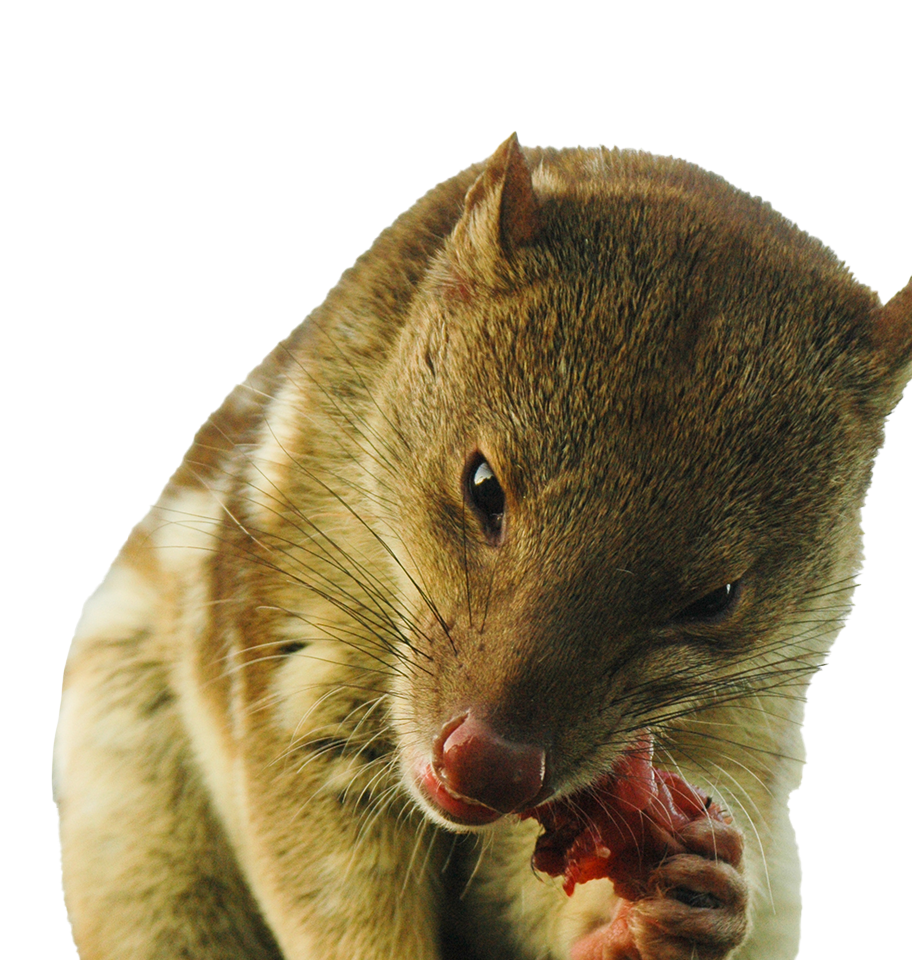
Northern Quoll
Dasyurus hallucatus
- Est. Current Population: Less than 100,000
- Class: Mammalia
- Order: Dasyuromorphia
- Family: Dasyuridae
- Genus: Dasyurus
- Region: Northern Australia
- Avg. Length (w/o tail): 25–37 cm | 9.8–15 in
- Avg. Weight: 350 - 1,120 g | 12 - 40 oz
[ Status : Endangered ]
Population Threats
- Invasive Species (Cane Toads)
- Habitat Loss
Our Programs
In Partnership With:
Returning the Northern Quoll to North Queensland
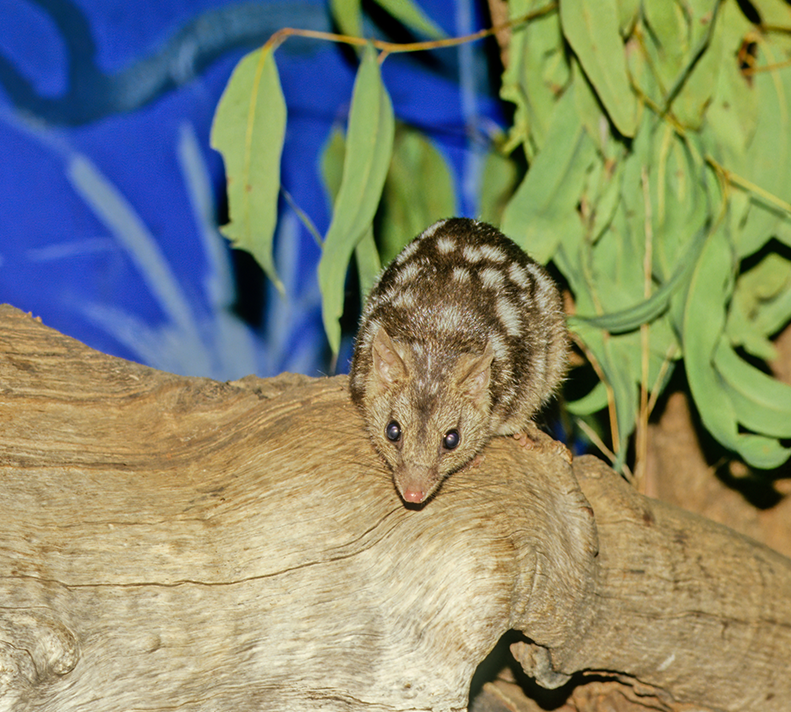
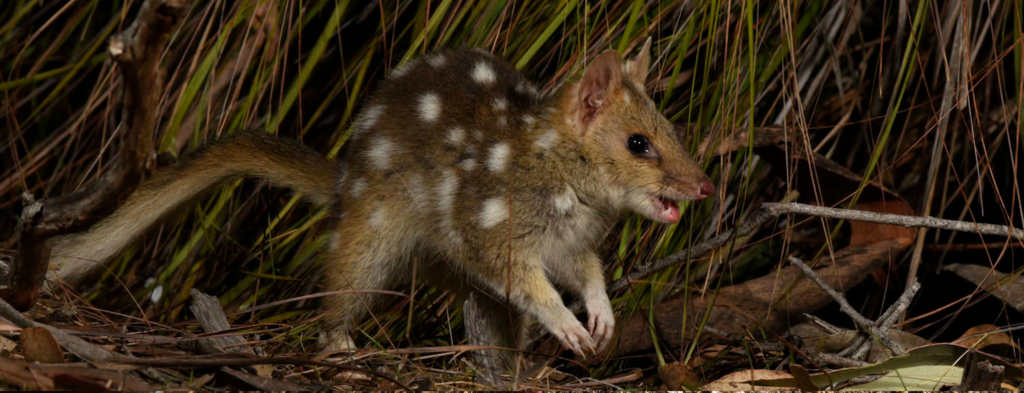
Quolls are carnivorous marsupials native to Australia and New Guinea, and the northern quoll is the smallest of the four Australian quoll species. Northern quolls are predominantly nocturnal and prefer to live in woodlands, especially near rocky outcrops. They shelter in hollow logs, trees, and rock crevices during the day, eating insects, birds, smaller mammals and amphibians. Unfortunately, they have an appetite for the poisonous cane toad, an invasive species causing havoc in Australian ecosystems. With the support of the Colossal Species Reintroduction Fund, the Australian Wildlife Conservancy (AWC) is bringing a genetically diverse population of 30 northern quolls to Mount Zero-Taravale Wildlife Sanctuary in north Queensland.
Learn More
In Partnership With:

Engineering Cane Toad Resistance in Northern Quolls
The introduction of invasive cane toads to Australia has wreaked havoc on native marsupial predators who have suffered severe population declines due to the toad’s deadly toxins. One of the species that has suffered most is the Endangered northern quoll. This project uses advanced gene-editing technologies to introduce genetic resistance to cane toad toxin in northern quolls. By developing genetically resilient populations, the initiative aims to prevent the extinction of the northern quoll and restore ecological balance.
Learn More Northern White & Sumatran Rhinoceros
Northern White Rhino
Ceratotherium simum cottoni
- Est. Current Population: 2
- Class: Mammalia
- Order: Perissodactyla
- Family: Rhinocerotidae
- Genus: Ceratotherium
- Region: Central African grasslands
- Avg. Length: 5 to 6 ft | 1.5 to 1.8 m
- Avg. Weight: 3080 to 7920 lb | 1.4 to 3.6 tons
[ Status : Critically Endangered ]

Population Threats
- HABITAT loss
- Poaching
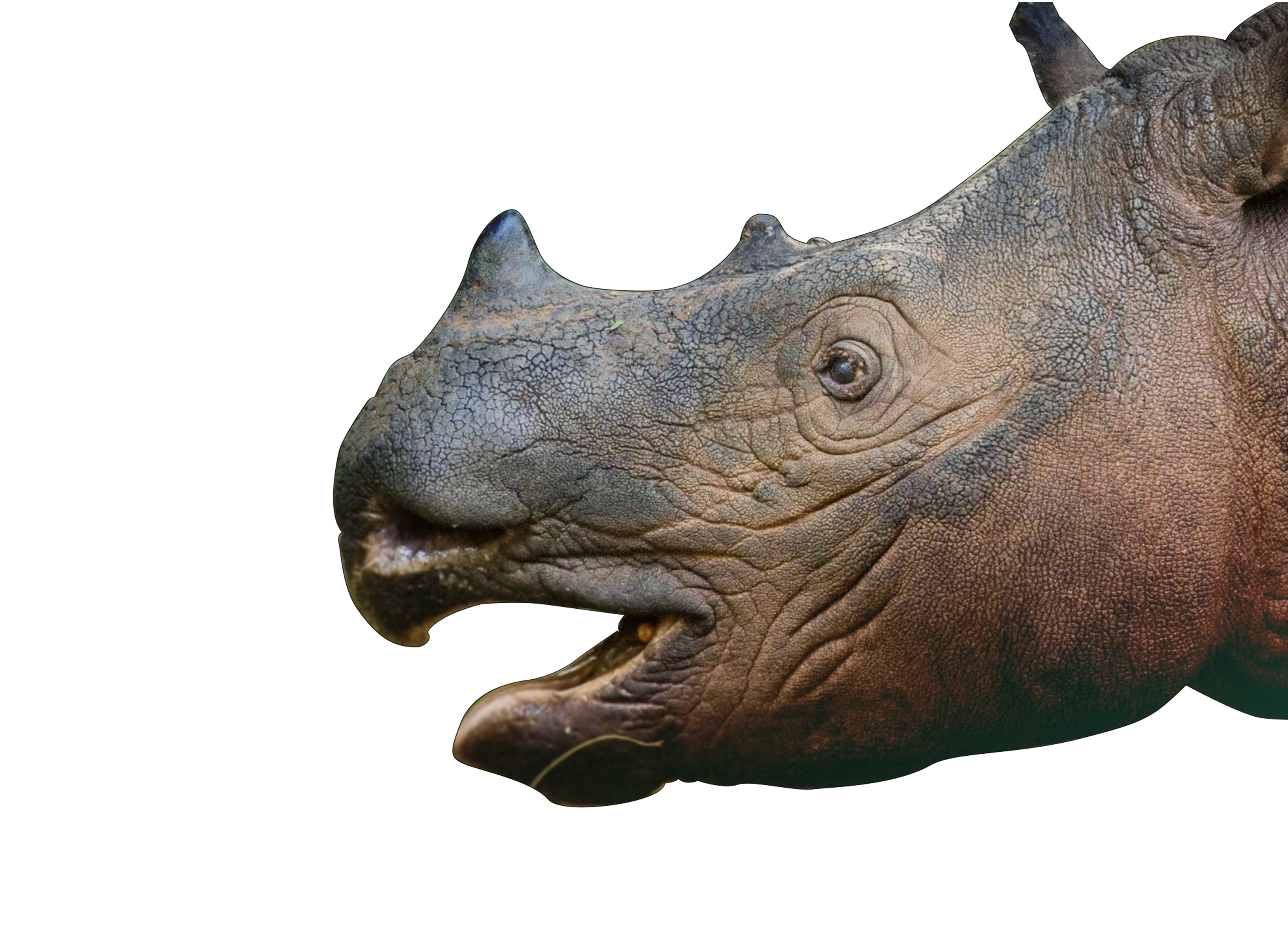
Sumatran Rhino
Dicerorhinus sumatrensis
- Est. Current Population: 40
- Class: Mammalia
- Order: Perissodactyla
- Family: Rhinocerotidae
- Genus: Dicerorhinus
- Region: Central African grasslands
- Avg. Length: 3.3-5 ft | 6.5-13 feet
- Avg. Weight: 1,320 -2,090 lb | 0.66 to 1.05 tons
[ Status : CRITICALLY ENDANGERED ]
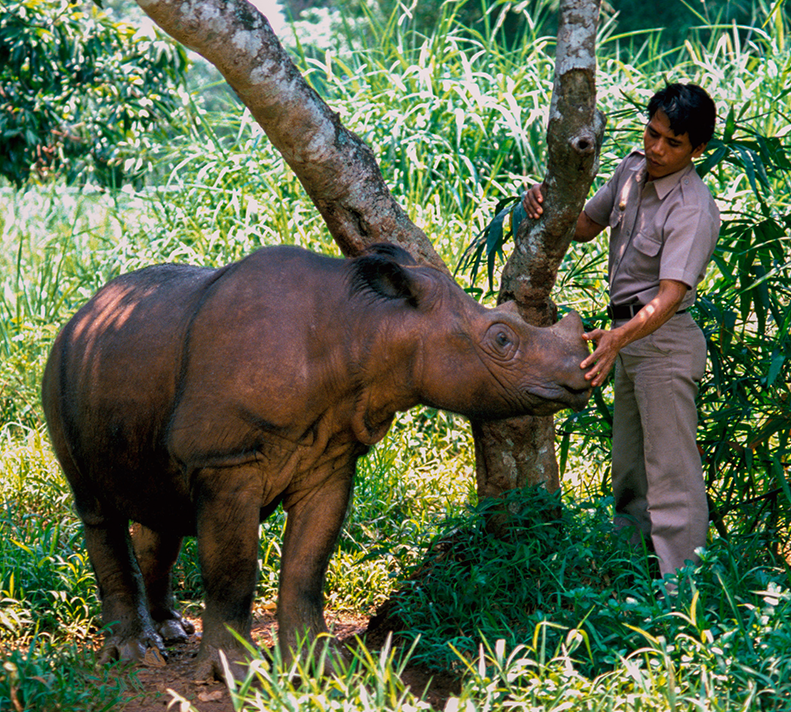
Population Threats
Habitat Loss
- Poaching
Our Programs

In Partnership With:

Engineering a Future for the Northern White Rhino
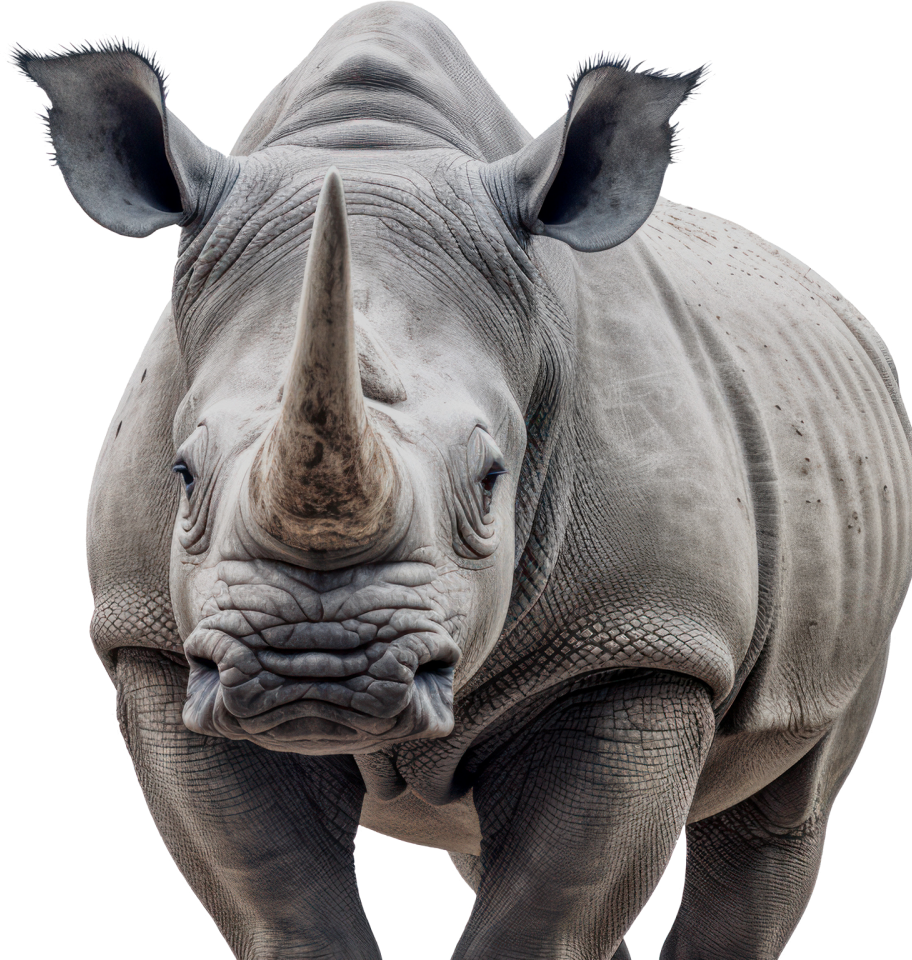
Colossal joins BioRescue for the Northern White Rhino project, sequencing viable museum samples to restore genetic diversity. Gene editing tools are being developed to enhance cell lines for embryo transfer, ensuring the restoration of lost genetic diversity.
Learn More
In Partnership With:


Protecting Sumatran Rhinos from Extinction
The Critically Endangered Sumatran rhino faces severe population declines due to habitat loss and low genetic diversity. This collaboration seeks to enhance existing breeding programs and leverage genetic sequencing and assisted reproductive technologies to support and increase the population of rhinos in Indonesia.
Learn More Pink Pigeon
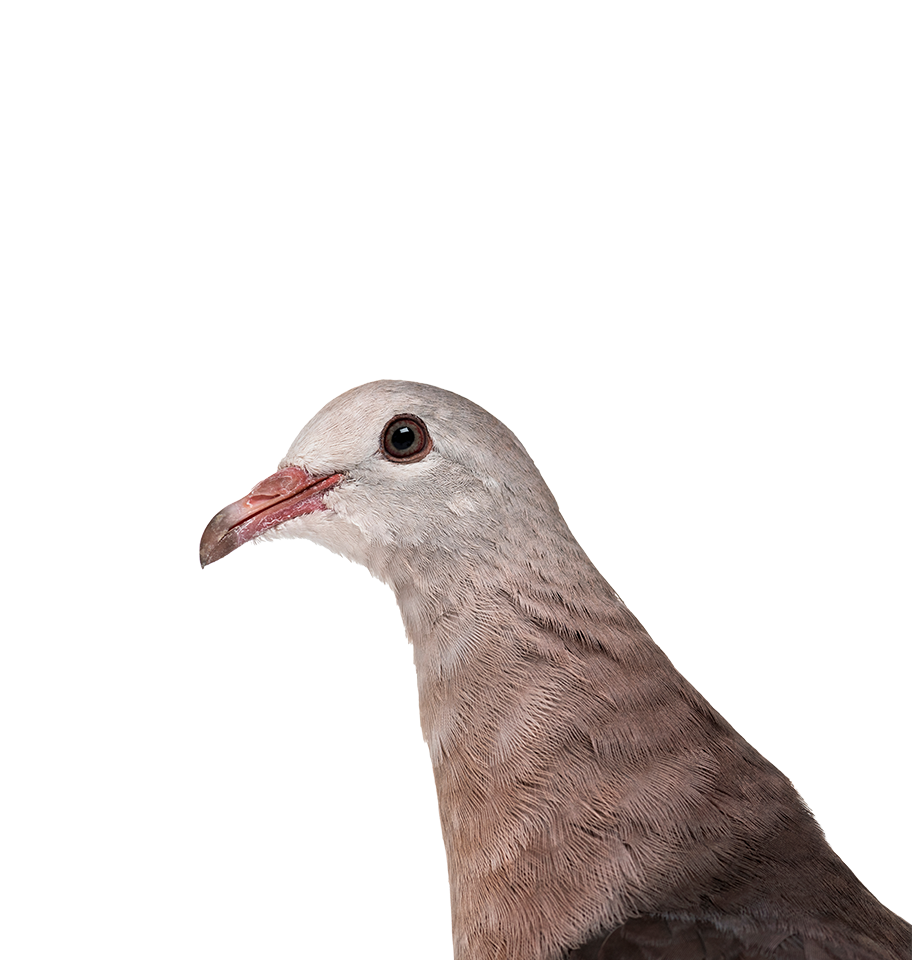
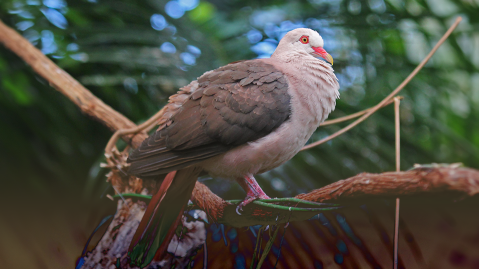
Pink Pigeon
Nesoenas mayeri
- Est. Current Population: 500
- Class: Aves
- Order: Columbiformes
- Family: Columbidae
- Genus: Nesoenas
- Region: Mauritius
- Avg. Length: 36–38 centimetres | 14–15 in
- Avg. Weight: 350 grams
[ Status : Vulnerable ]
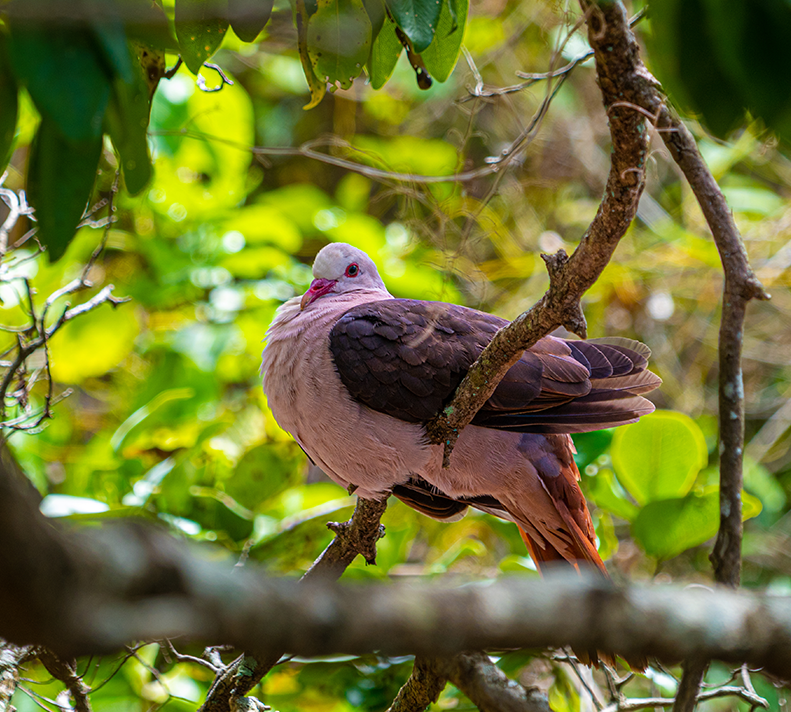
Population Threats
- Habitat Loss
- Disease
- Genetic Erosion
Our Programs
In Partnership With:
Pink Pigeon Genetic Rescue
The pink pigeon, a bird native to the island of Mauritius, faces extinction in coming decades due to severe genetic erosion. This project employs cutting-edge gene editing techniques to genetically rescue the pink pigeon and reintroduce historic diversity into today’s population. Utilizing preserved DNA from museum specimens, the initiative seeks to strengthen the genetic resilience of the charismatic species, ensuring its long-term viability.
Learn More Red & Gray Wolves
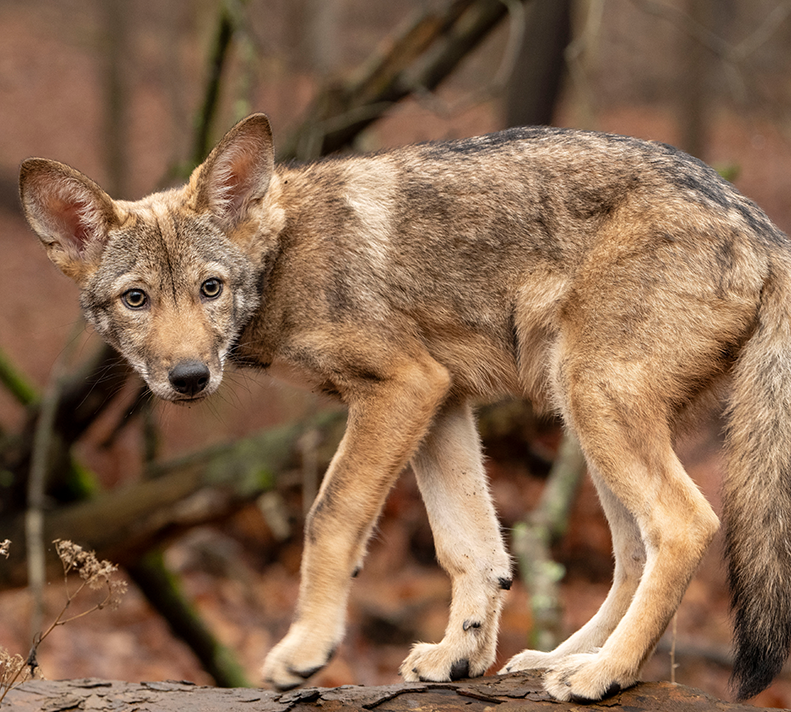
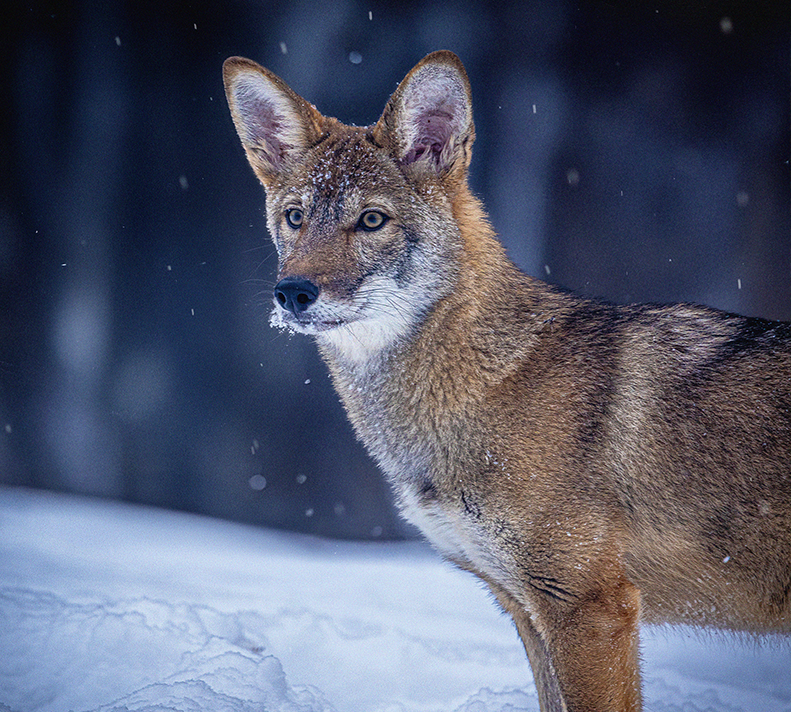
Red Wolf
Canis rufus
- 17 known wild individuals in North Carolina; around 200–270 in managed breeding programs
- Class: Mammalia
- Order: Carnivora
- Family: Canidae
- Genus: Canis
[ Status : Critically Endangered ]
Population Threats
- Habitat Loss & Fragmentation
- Human-Wildlife Conflict
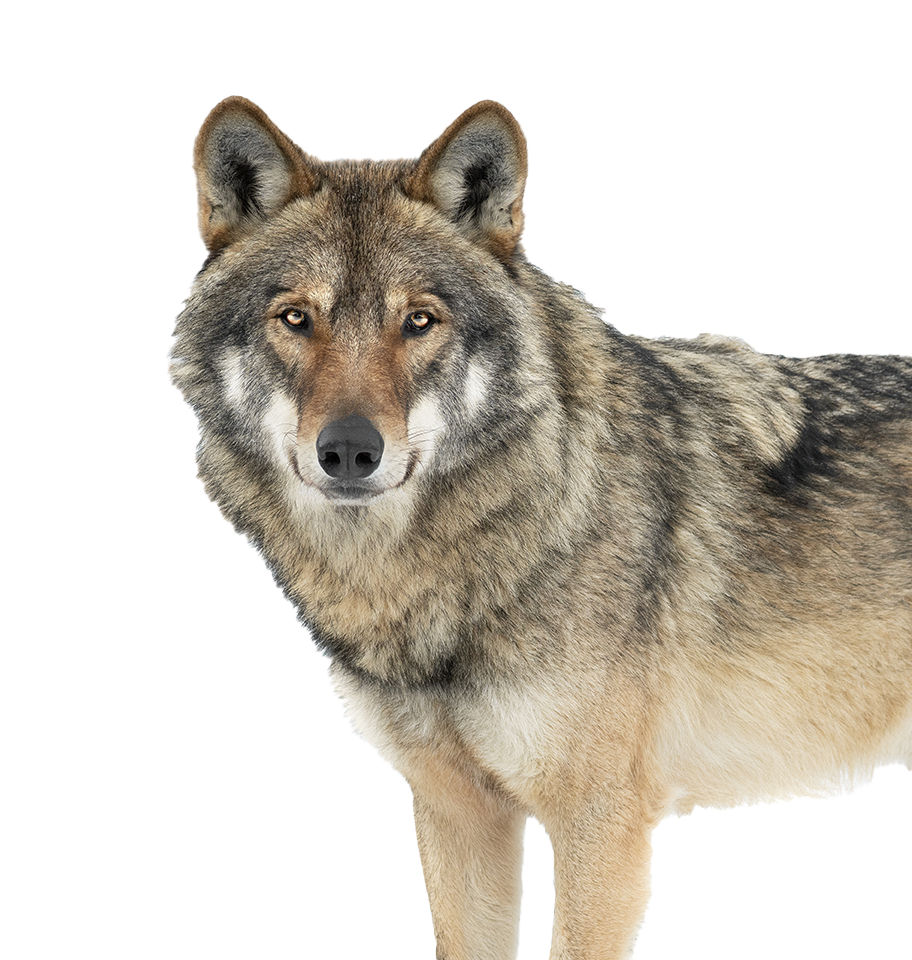
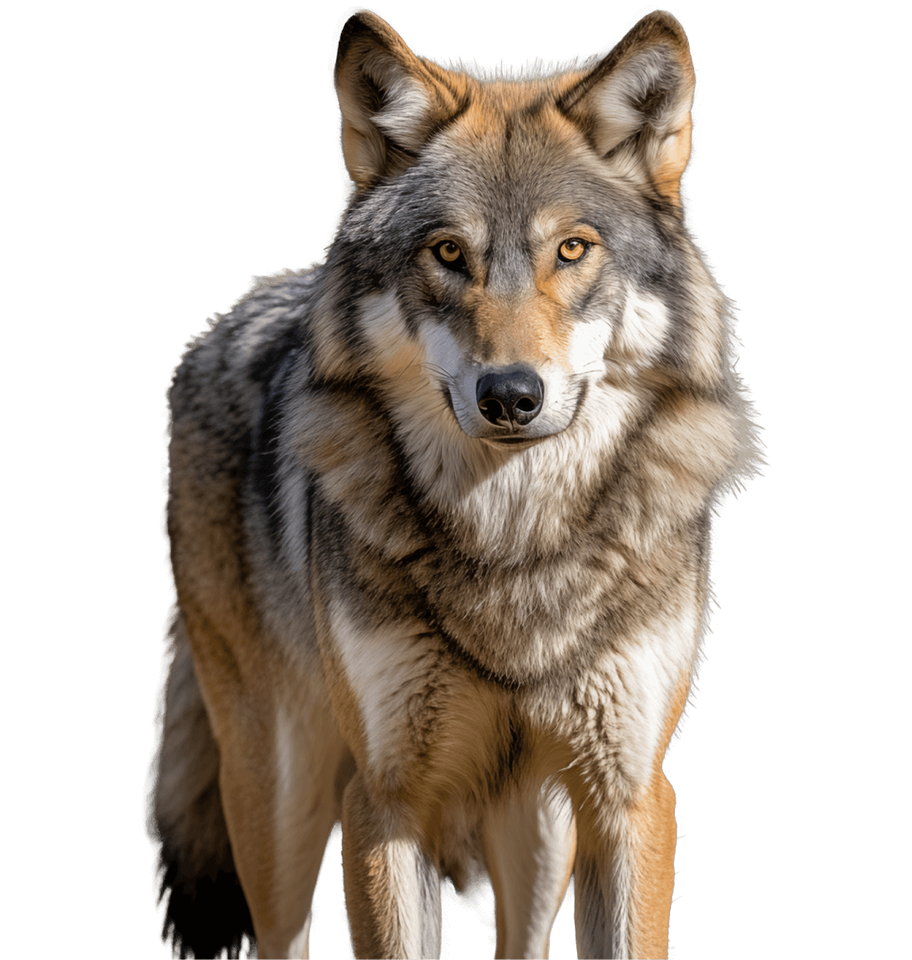
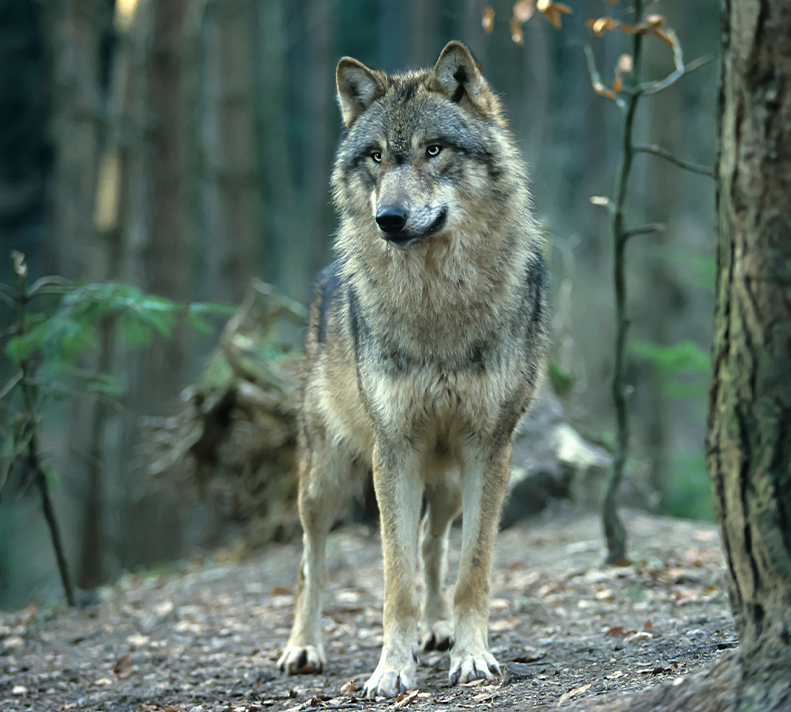
Gray Wolf
Canis lupus
- Estimated Current Population: ~200,000+ worldwide // 13,400-16,900 USA
- Class: Mammalia
- Order: Carnivora
- Family: Canidae
- Genus: Canis
[ Status : Least Concern ]
Population Threats
- Habitat Loss & Fragmentation
- Human-Wildlife Conflict
Our Programs
In Partnership With:
Restoring the Ancestral Red Wolf Through Genetic Rescue
The Ghost Wolf Genetic Rescue Initiative is a groundbreaking conservation project led by Colossal Biosciences, the Gulf Coast Canine Project, and local partners to restore the critically endangered American Red Wolf using the unique genetics of Gulf Coast "ghost wolves." By integrating advanced genomics, cloning, and gene editing, this project aims to rebuild the lost diversity of the ancestral Red Wolf and reintroduce it into its native Gulf Coast habitat.
Learn More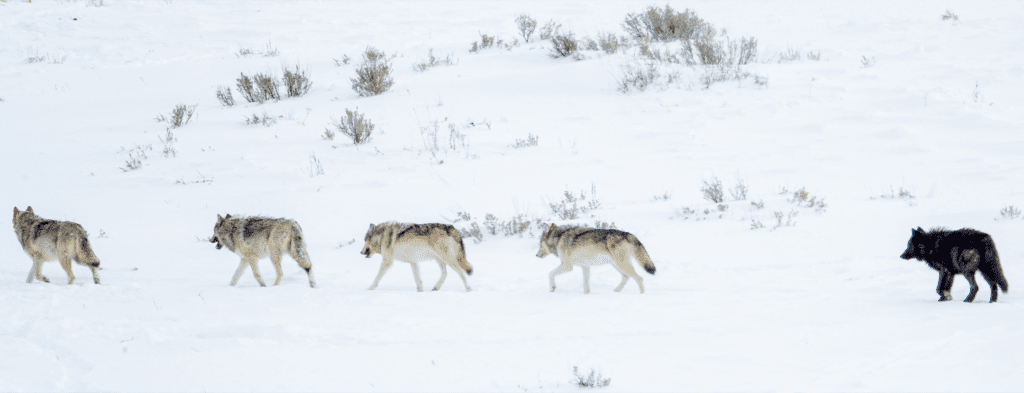
In Partnership With:


Decoding the Howl: Using AI to Understand the Language of Yellowstone’s Wolves
Partnering with Yellowstone Forever, the official nonprofit partner of Yellowstone National Park, the Colossal Foundation is supporting the Yellowstone Wolf Project through an ambitious new bioacoustics initiative. This collaboration aims to revolutionize how conservationists monitor and protect wild wolf populations by integrating cutting-edge acoustic sensing, machine learning, and continuous ecological data collection across wolf territories in the Greater Yellowstone Ecosystem.
Learn More Sihek (Guam Kingfisher)
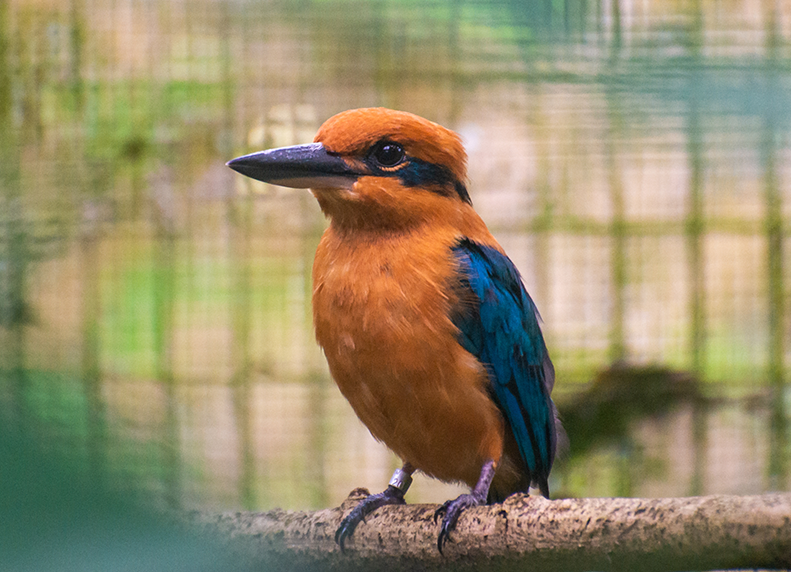
Sihek (Guam Kingfisher)
Todiramphus cinnamominus
- Est. Current Population: 135
- Class: Aves
- Order: Coraciiformes
- Family: Alcedinidae
- Genus: Todiramphus
- Region: Guam and the Palmyra Atoll
- Avg. Length: 20–24 cm | 7.9–9.4 in
- Avg. Weight: 56–76 g | 2–3 oz
[ Status : Extinct in the Wild ]
Population Threats
- Invasive Brown Tree Snakes
Our Programs
In Partnership With:
The Sihek Takes Flight Again at Palmyra Atoll
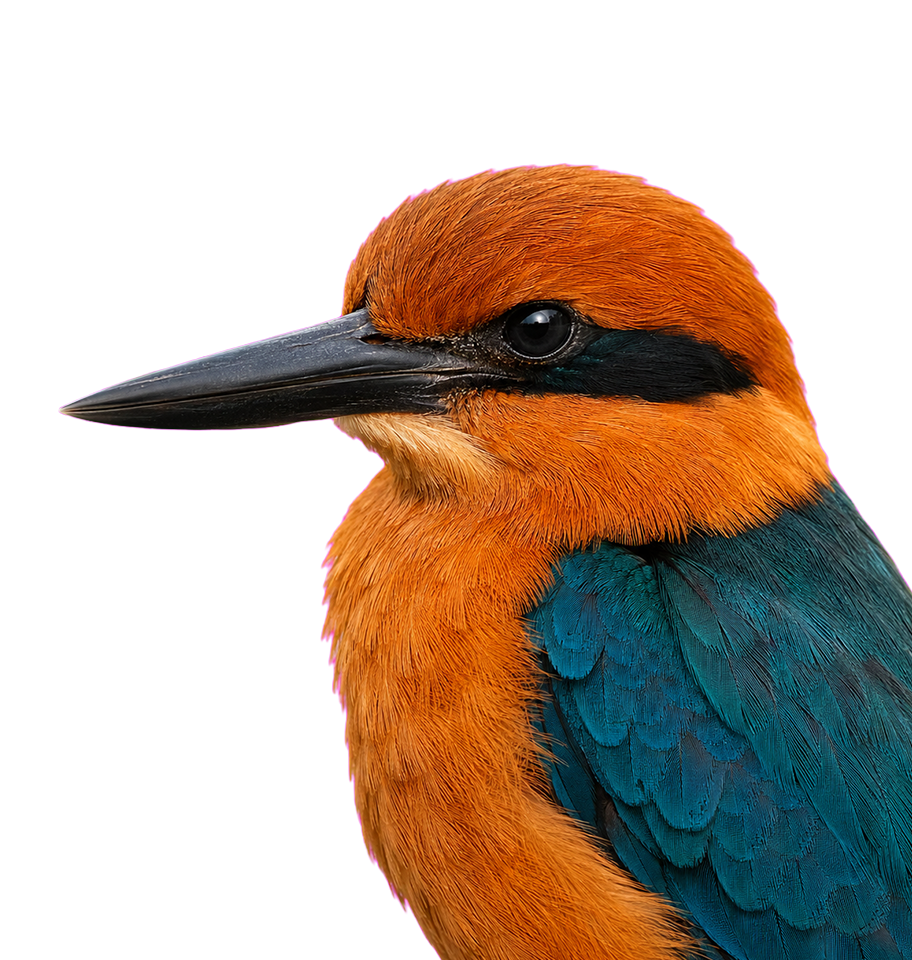
For nearly four decades, the Sihek (Todiramphus cinnamominus), also known as the Guam kingfisher, survived only in human care, classified as Extinct in the Wild. Brightly colored with cinnamon-orange feathers and an iridescent blue back, the Sihek is treasured by the CHamoru, the indigenous people of the Mariana islands. Now, with the support of the Colossal Species Reintroduction Fund, The Nature Conservancy (TNC) and the Sihek Recovery Program are opening a new chapter in the bird’s return to the wild.
Learn More Sunflower Sea Star

Sunflower Sea Star
Pycnopodia helianthoides
- Estimated Population: Unknown
- Class: Asteroidea
- Order: Forcipulatida
- Family: Asteriidae
- Genus: Pycnopodia
- Species: P. helianthoides
- Region: The eastern Pacific coast from the Aleutian Islands, Alaska to Baja, Mexico
[ Status : Critically Endangered ]
Population Threats
- Sea star wasting syndrome
Our Programs
Reviving the Sunflower Sea Star with the Snuneymuxw First Nation
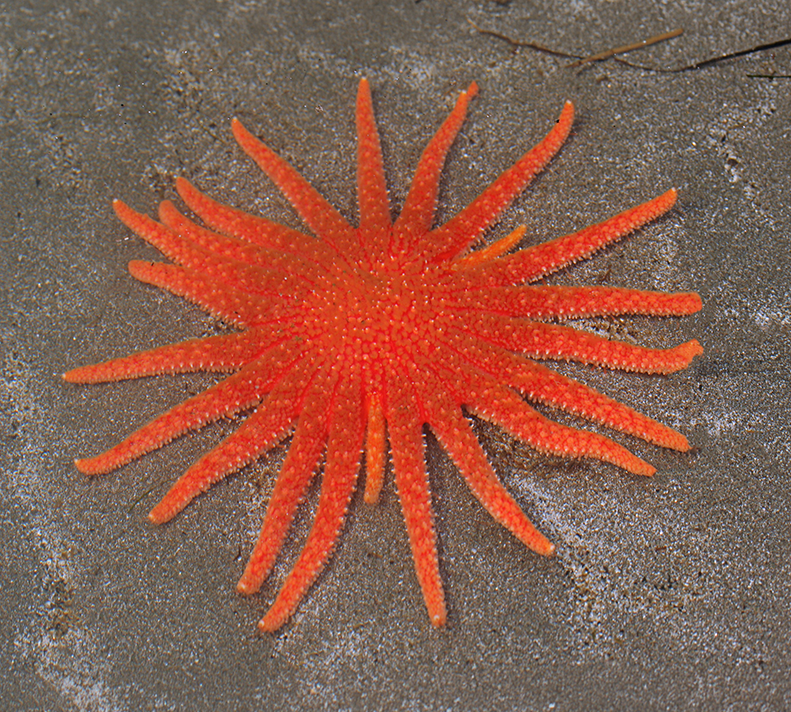
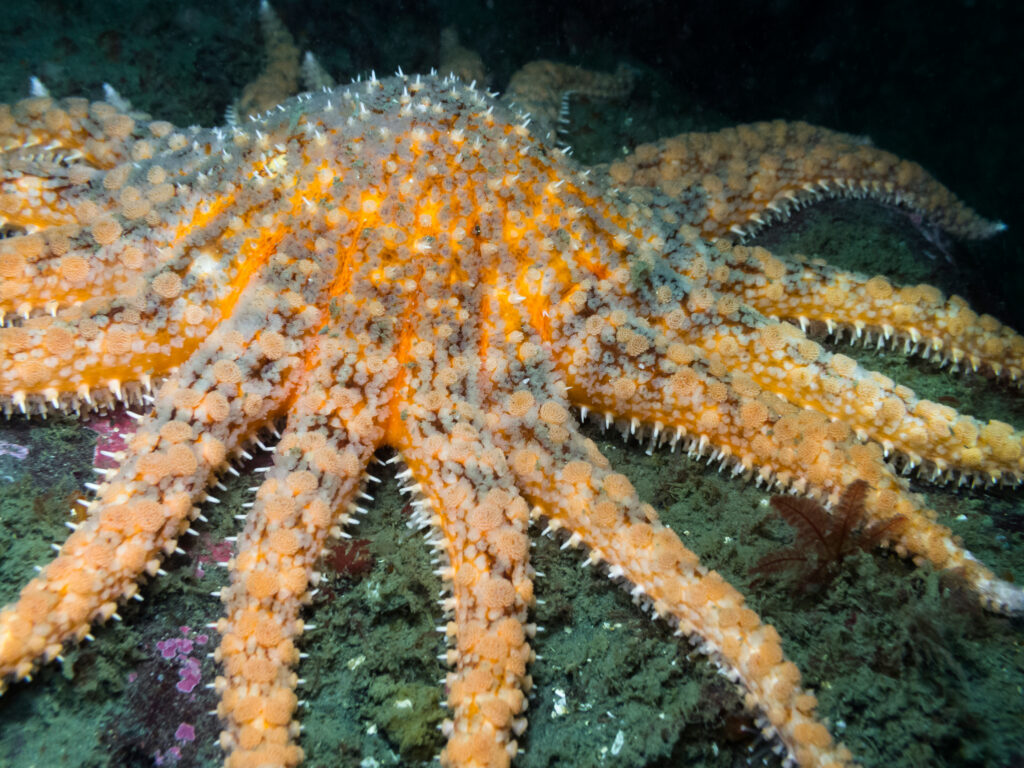
The sunflower sea star (Pycnopodia helianthoides) is the largest sea star in the world. It can measure up to a meter across, grow as many as 24 arms, and range in color from orange and red to purple and yellow. It is also a keystone predator whose appetite for sea urchins helps keep kelp forests intact. With support from the Colossal Species Reintroduction Fund, the Snuneymuxw First Nation is leading a pilot project to breed the species and, over time, return it to its waters.
Learn More
Tooth-Billed Pigeon

Tooth-Billed Pigeon
Didunculus strigirostris
- Est. Current Population: 70 - 380
- Class: Aves
- Order: Columbiformes
- Family: Columbidae
- Genus: Didunculus
- Region: Samoa
- Avg. Length: 31 cm
- Avg. Weight: 400 g
[ Status : Critically Endangered ]

Population Threats
habitat loss
- Hunting
- Invasive Species
In Partnership With:


Searching for the Lost Tooth-Billed Pigeon
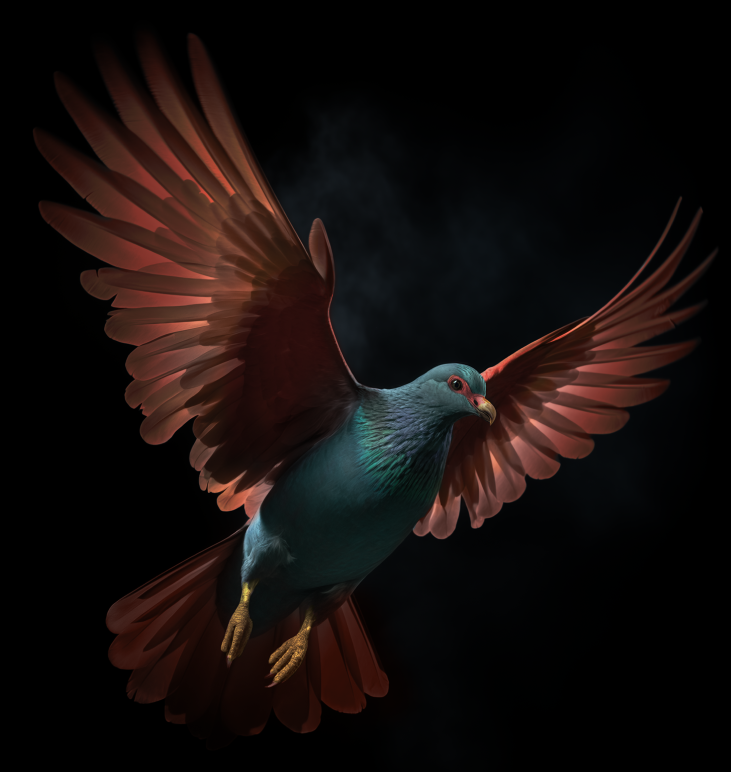
This elusive tooth-billed pigeon, also known as the “little dodo,” is a bird native to the island of Samoa. It is classified as Critically Endangered and has not had a confirmed sighting since 2013. This collaboration is working to develop an A.I.-powered bioacoustic monitoring system aimed at locating the “lost” tooth-billed pigeon using the bird’s unique vocalization.
Learn More Vaquita
Vaquita
Phocoena sinus
- Est. Current Population: <10
- Class: Mammalia
- Order: Artiodactyla
- Family: Phocoenidae
- Genus: Phocoena
- Region: Northern end of the Gulf of California
- Avg. Length: 150 cm (4.9 ft) (females) or 140 cm (4.6 ft) (males)
- Avg. Weight: 27 kg - 68 kg | 60 lb - 150 lb
[ Status : Critically Endangered ]

Population Threats
- Fisheries bycatch
- Habitat Loss
- Pollution
Our Programs

Rescuing the Panda of the Sea
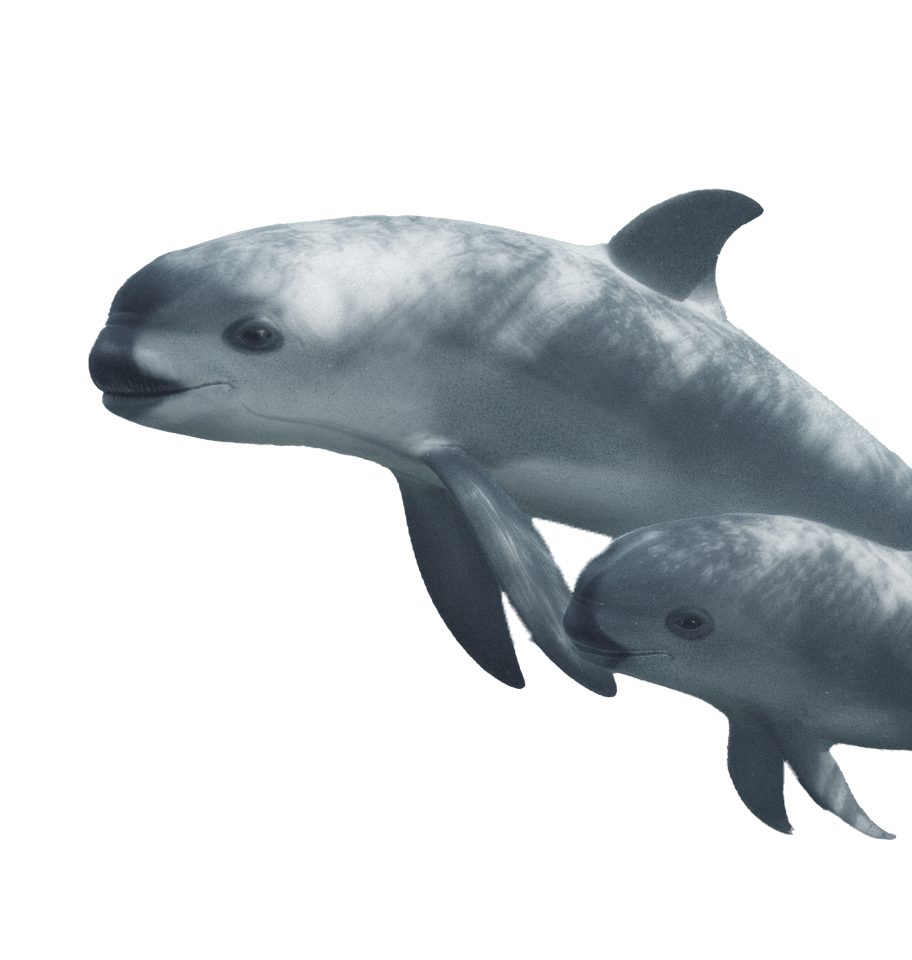
The vaquita is the world's smallest cetacean, and it is on the verge of extinction. With only a handful of vaquitas left, this project employs state-of-the-art monitoring techniques to track and study the remaining vaquitas in the Gulf of California. By analyzing this data, the initiative seeks to enhance conservation efforts and develop effective strategies to stabilize and increase the vaquita population.
Learn More Victorian Grassland Earless Dragon
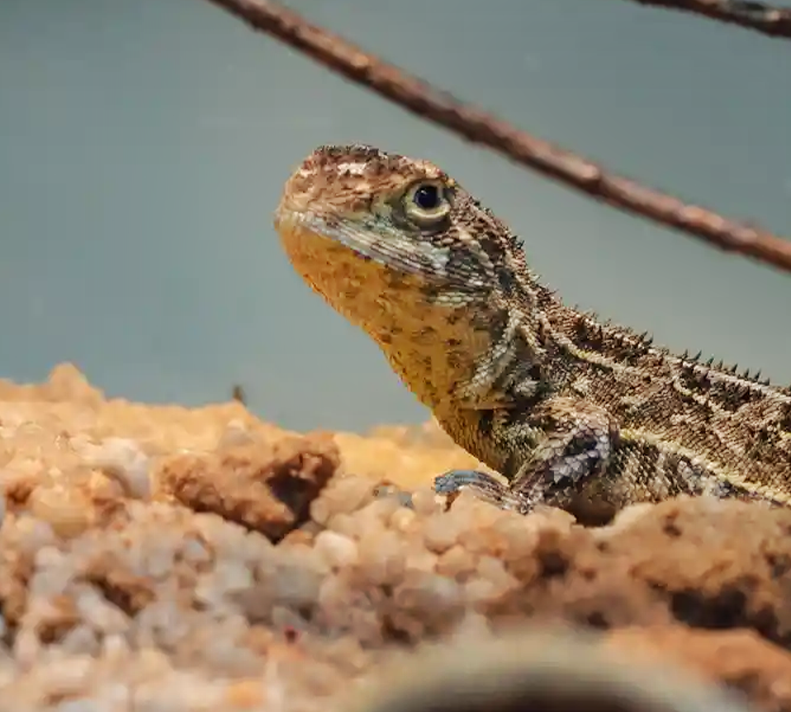
Victorian Grassland Earless Dragon
Tympanocryptis pinguicolla
- Est. Current Population: 120
- Class: Reptilia
- Order: Squamata
- Family: Agamidae
- Genus: Tympanocryptis
- Region: Australia
- Avg. Length: 12 - 15cm
- Avg. Weight: 5–9 grams
[ Status : Critically Endangered ]
Population Threats
- Habitat Loss
Our Programs
In Partnership With:

Rediscovering the Victorian Grassland Earless Dragon
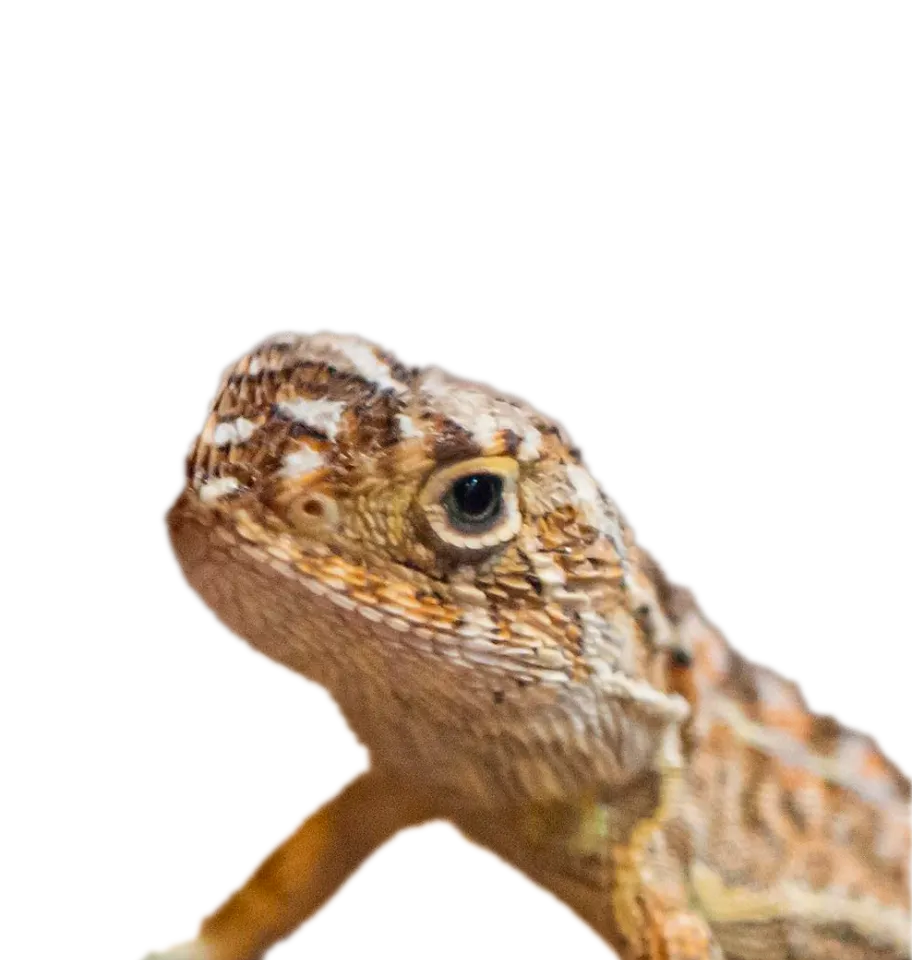
The Victorian Grassland Earless Dragon is a Critically Endangered Australian lizard that was rediscovered in 2023 after not being seen for over 40 years. This project established an interim insurance and conservation breeding program for the recovered dragon population, and utilizes cutting-edge genomic technology to stabilize and grow its population.
Learn More Vietnam Pheasant
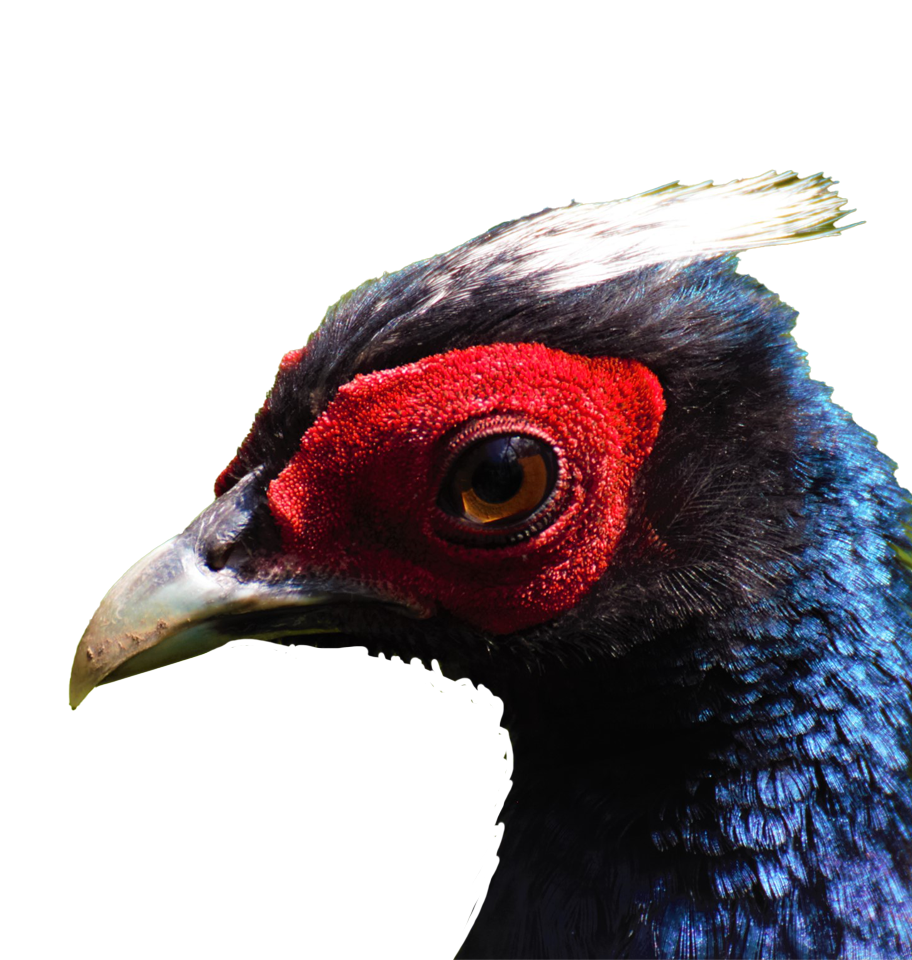
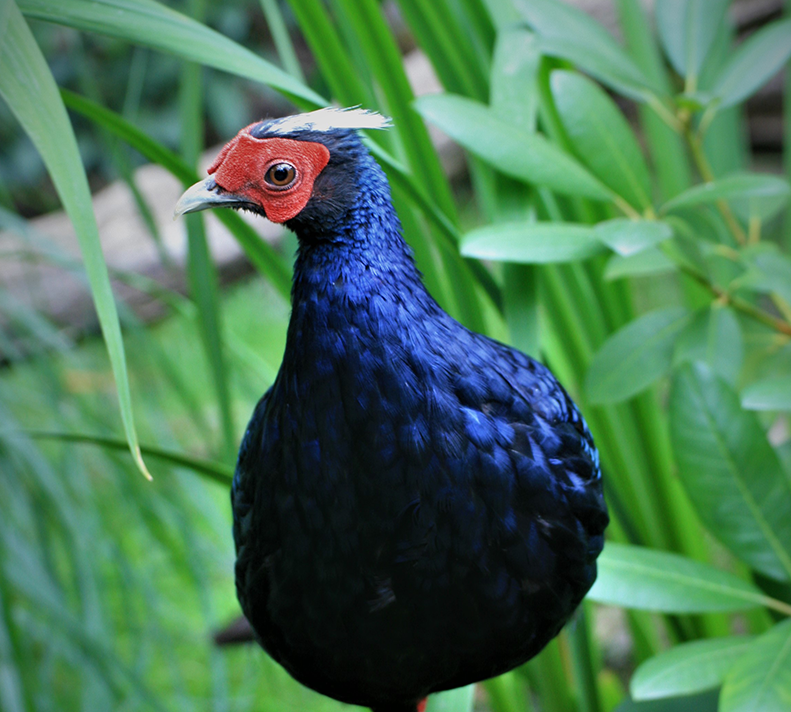
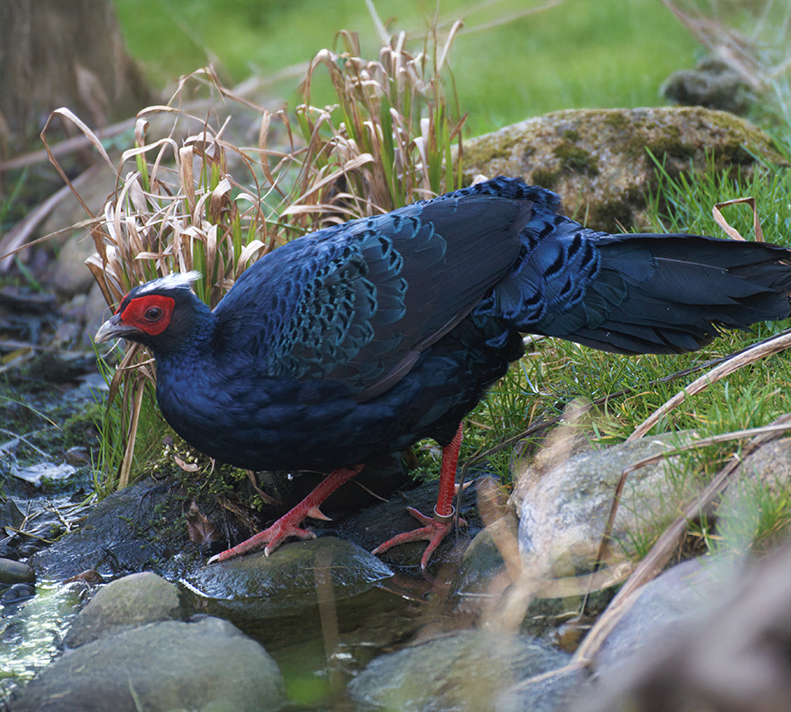
Vietnam Pheasant
Lophura edwardsi
- Estimated Population: Less than 500 left in zoos worldwide – possibly Extinct in the Wild
- Class: Aves
- Order: Galliformes
- Family: Phasianidae
- Genus: Lophura
[ Status : Critically Endangered ]
Population Threats
- Deforestation and habitat fragmentation due to logging and agriculture
- Hunting and trapping for food and trade
- Extremely small population size and limited genetic diversity
Our Programs
In Partnership With:


Restoring the Lost Vietnam Pheasant to Central Vietnam’s Forests
Once abundant in the lowland evergreen forests of central Vietnam, the Vietnam pheasant (Lophura edwardsi) has not been confirmed in the wild for two decades and is now listed as Critically Endangered—possibly Extinct in the Wild. With fewer than 500 Vietnam Pheasants left in zoos worldwide, this species teeters on the edge of extinction. Led by the local NGO Viet Nature and ZSL, this project builds the final bridge between captive breeding efforts and reintroduction. It aims to release fit, predator-savvy pheasants into protected forest reserves in Quang Binh Province, reviving a flagship species and the unique ecosystem it once shaped.
Learn More Wampukrum Harlequin Frog
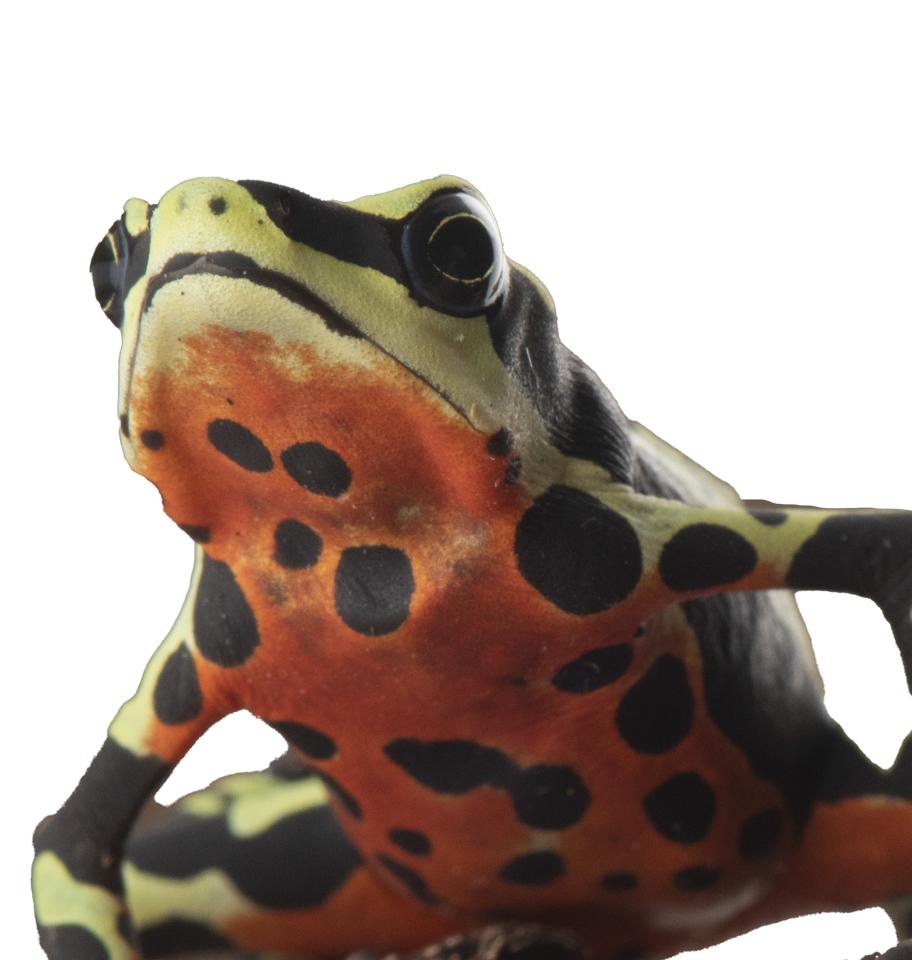
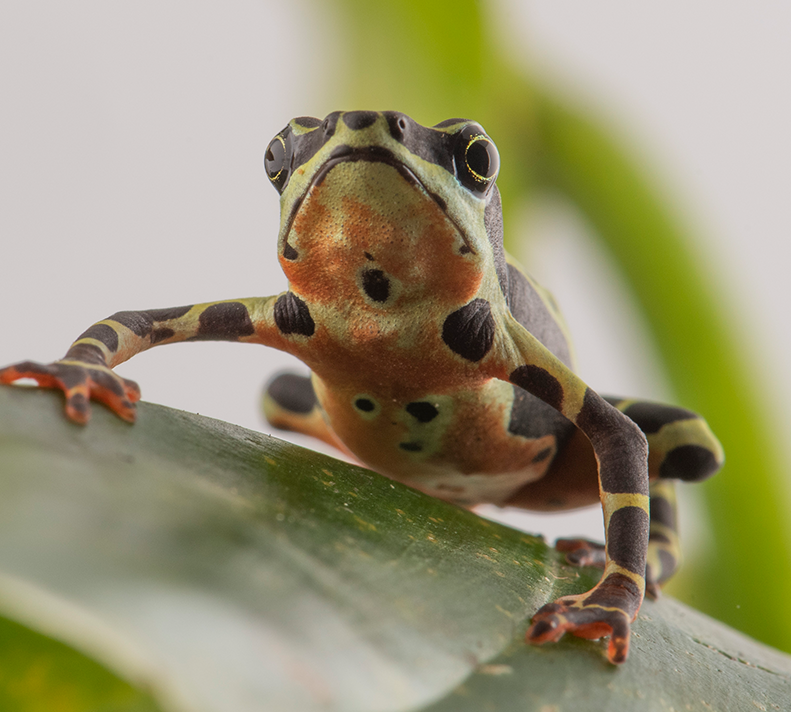
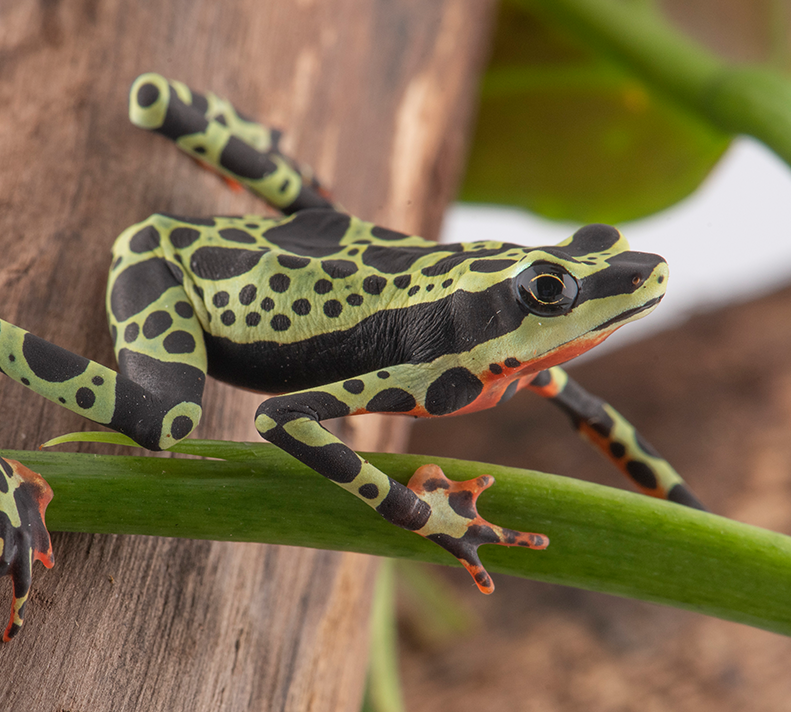
Wampukrum Harlequin Frog
Atelopus aff. spumarius
- Estimated Population: Unknown
- Class: Amphibia
- Order: Anura
- Family: Bufonidae
- Genus: Atelopus
[ Status : Not formally listed ]
Population Threats
- Habitat loss from deforestation and agricultural expansion
- Chytrid fungus ( deadly amphibian disease)
- Climate change affecting highland forest ecosystems
 Limited data, making conservation planning more challenging
Our Programs
In Partnership With:

Returning the Wampukrum Harlequin Frog to the Ecuadorian Amazon
Hidden for millennia in the misty headwaters of the Ecuadorian Amazon, the Wampukrum harlequin frog (Atelopus aff. spumarius) vanished from Quebrada de Napinaza after 2009, battered by mining, habitat loss, and the deadly chytrid fungus. Today the stream is finally protected, and Centro Jambatu’s scientists are ready to reintroduce this iconic amphibian. Over the next year they will breed, transport, and release more than 800 tadpoles, juveniles, and adults—the first step toward rebuilding a vibrant, self-sustaining population in Morona Santiago Province.
Learn More