
Why Campbell’s Alligator Lizard Matters
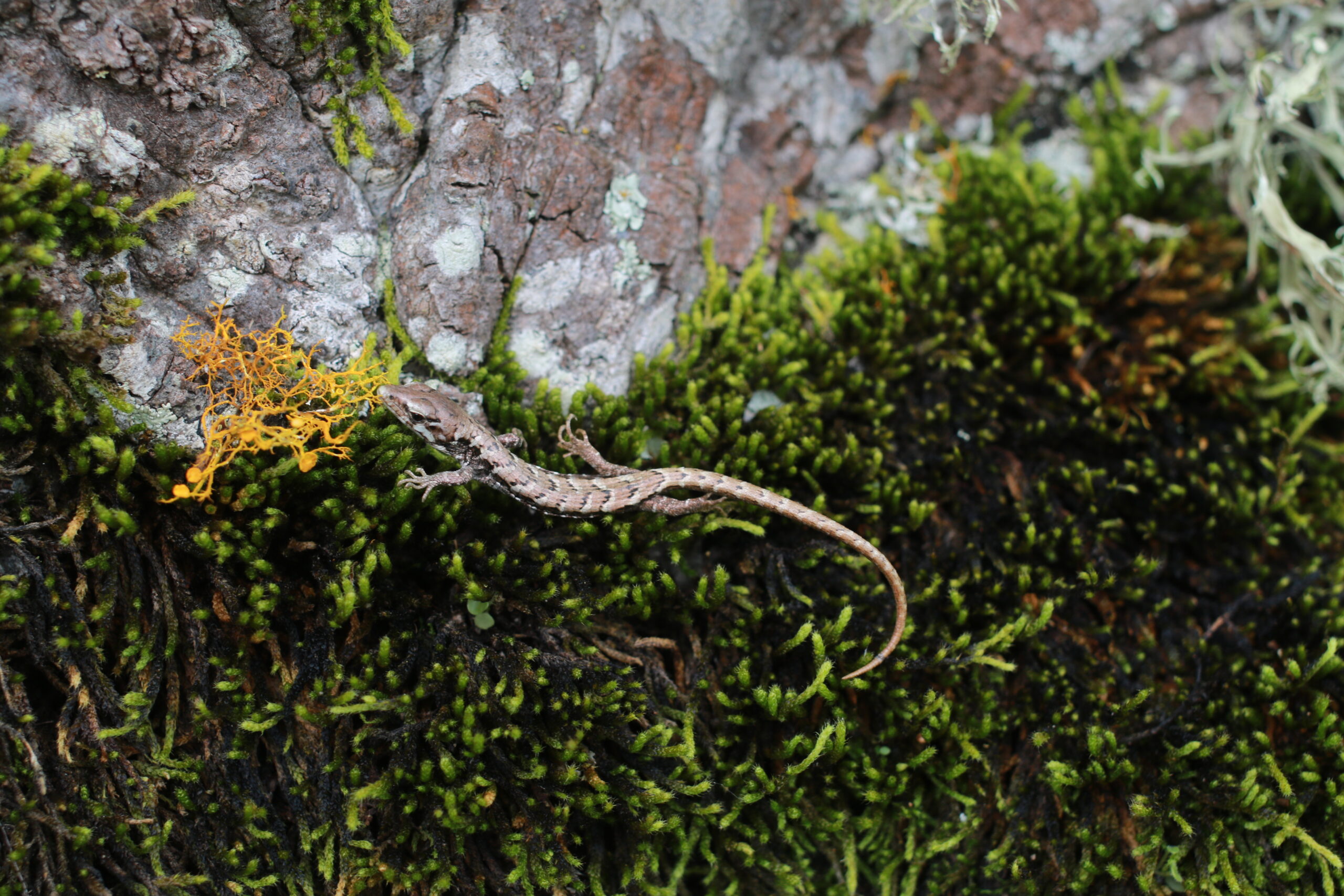
This armored lizard’s habitat is disappearing. Only about 3% of its native cloud forest remains intact. When this species was first scientifically recorded in 1993, conservationists feared the worst. With so little habitat remaining and so few reported sightings, it was presumed extinct. That is, until Mónica Torres and Daniel Ariano-Sánchez rediscovered it in 2009.
Cloud forests aren’t just beautiful, they produce their own precipitation. The cloud forest of La Tigra National Park in the mountains above Honduras’ capital Tegucigalpa provides 40% of the city’s water.
The rescue of the Campbell’s alligator lizard also means protecting a crucial, critically threatened Guatemalan ecosystem.
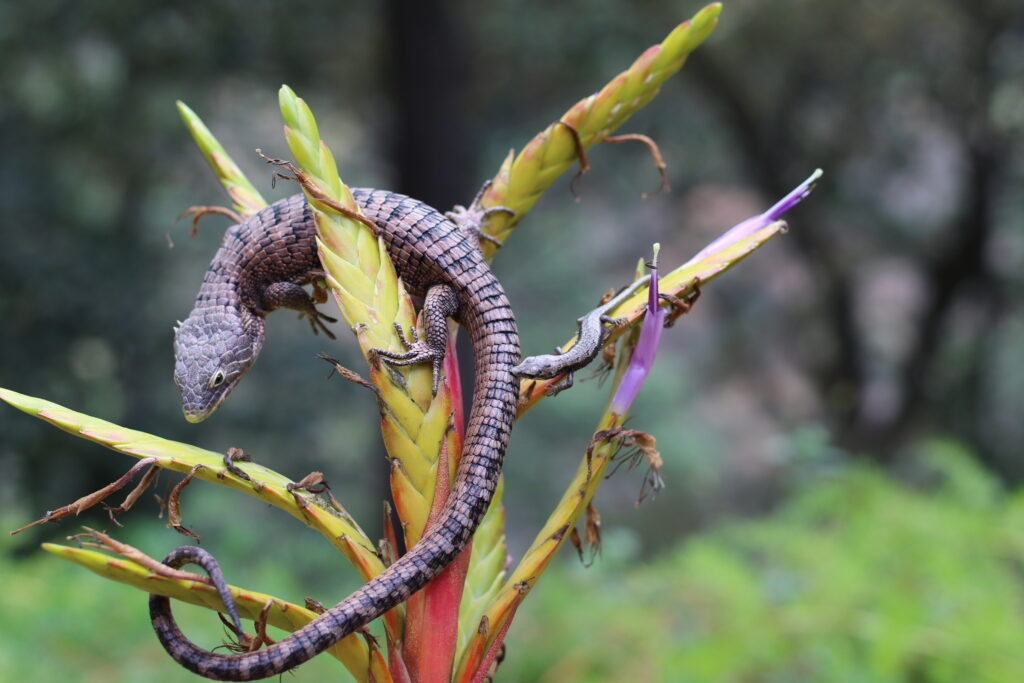
FUNDESGUA has already built a strong foundation for recovery. According to FUNDESGUA, the team has planted more than 188,000 native trees and restored 466 hectares of cloud forest. That work has to come first because Campbell’s alligator lizard is arboreal. It can’t cross open ground to find new forests. Rebuilding a connected canopy is the first major step toward protecting the species.
How the Species Reintroduction Fund is Helping
With the Colossal Foundation’s support, FUNDESGUA will advance the restoration phase of recovery: