
Why the Northern Quoll Matters
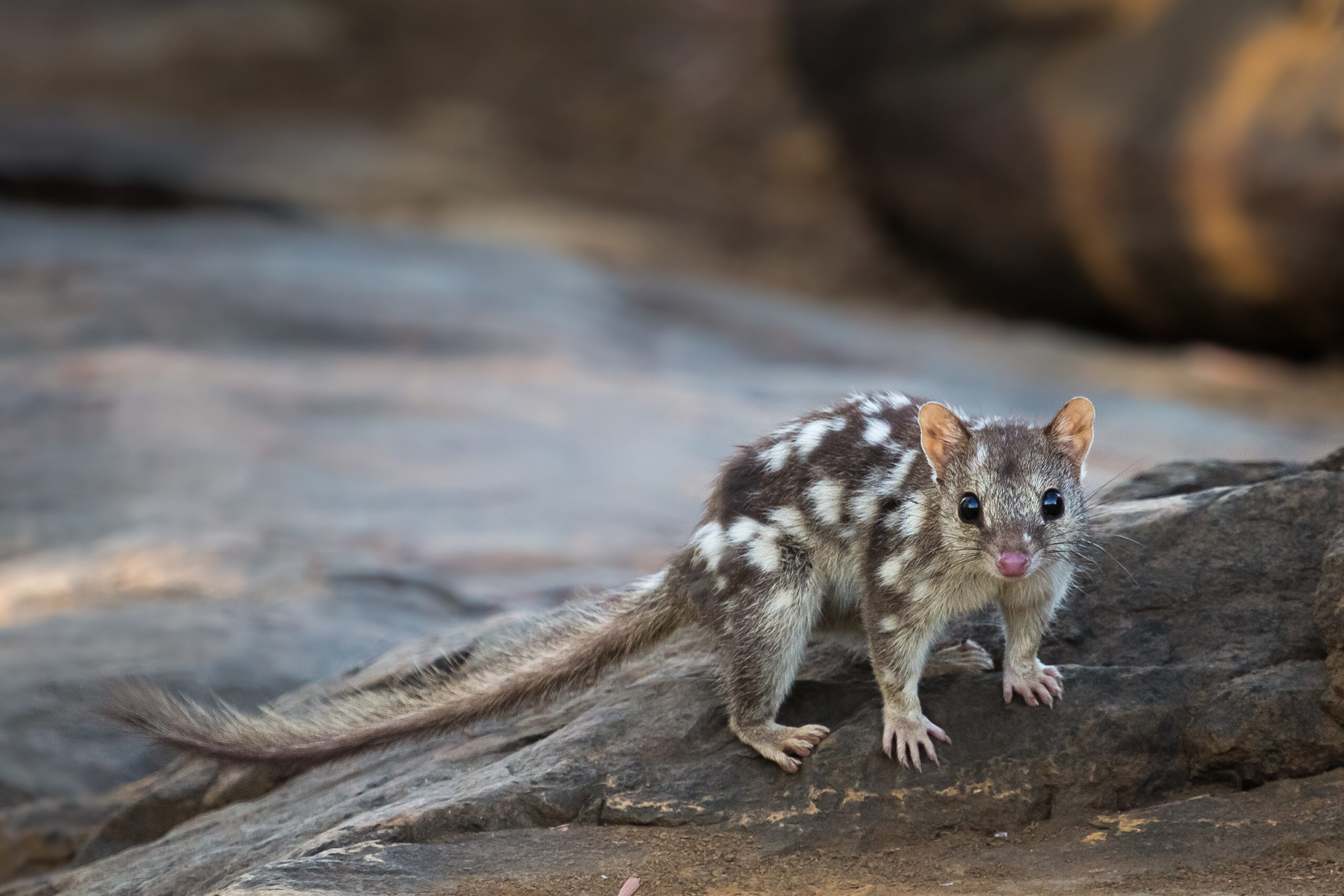
Quolls are agile, nocturnal hunters that fill an important niche as native predators. Their decline traces largely to one fateful decision. In 1935, cane toads were introduced to Australia as a form of pest control, which has proven disastrous for Australia’s unique ecosystems. The toads spread across the continent, and because quolls try to eat them, the toads’ powerful toxin proved deadly, driving quoll declines of more than 90% in some areas.
The species also connects to Colossal’s broader genomic work. Quolls belong to the thylacine’s former ecosystem, and Colossal is already studying cane toad resistance in northern quolls with the University of Melbourne.
Progress So Far
With the help of the Colossal Species Reintroduction Fund, AWC is translocating individuals from all four distinct populations of northern quoll in Australia to Mount Zero-Taravale Wildlife Sanctuary. These individuals were selected for both genetic diversity and resistance to cane toad poison.
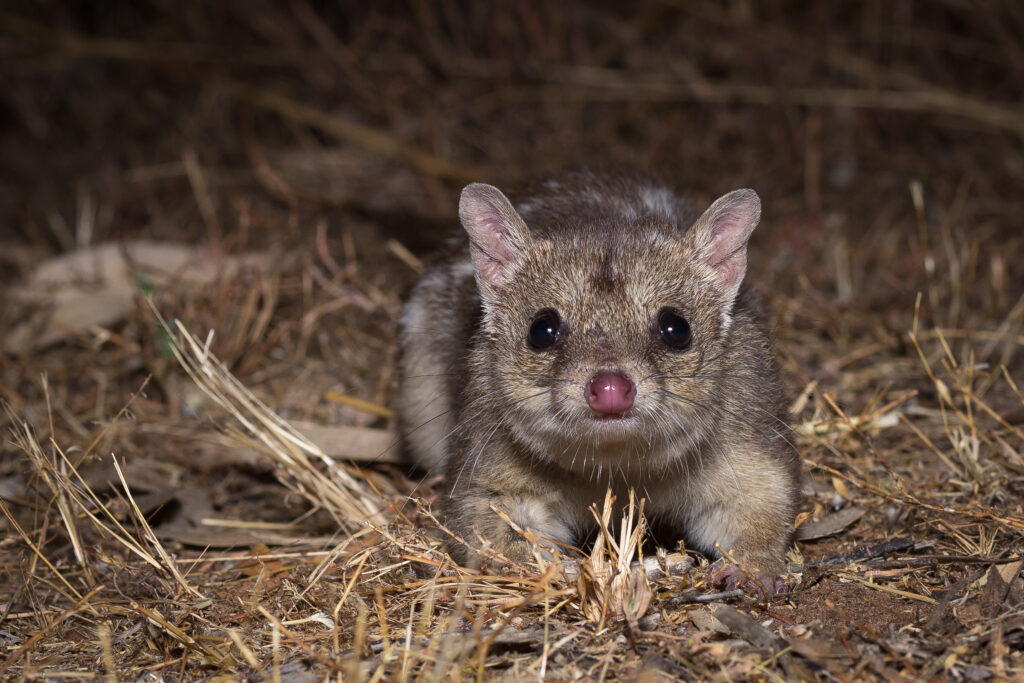
Photo Credit: Brad Leue
Of the 30 quolls being translocated, at least 20 will be fitted with telemetry collars for post-release monitoring. Eventually, the site is expected to support about 300 individuals with the potential to expand in the near future.
How the Species Reintroduction Fund is Helping
With the Colossal Foundation’s support, AWC will carry out the first year of reintroduction: