The Colossal Foundation has committed $3 million over three years to support this innovative research, marking a critical step forward in amphibian conservation. Initial research will focus on the invasive cane toad as a model species to test and refine this approach. Once successful, the technology will be applied to critically endangered amphibians such as the great spotted tree frog, green and golden bell frog, and corroboree frog.

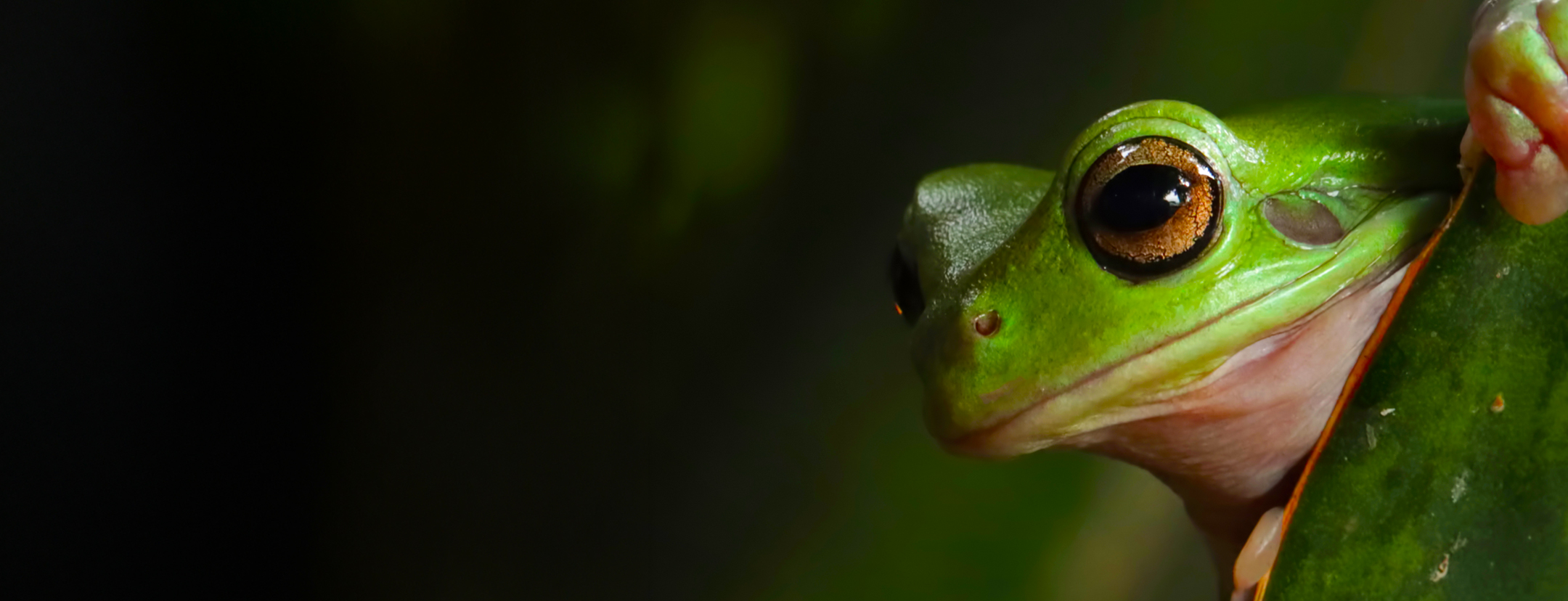
Saving Amphibians from Chytrid Fungus
Project Details:
Chytrid fungus has driven the extinction of at least 90 amphibian species and severely impacted over 500 others, making it the most devastating wildlife diseases in history. This project leverages innovative genetic engineering technology to protect amphibians by conferring immunity against chytrid infections.
In Partnership With

University of Melbourne is ranked among the best universities in the world, delivering education and research that is global in reach, ambition and impact. The University’s purpose is to benefit society through the transformative impact of education and research. Nearly 10,000 academic and professional staff support a vibrant community of more than 52,000 students, including more than 20,000 international students from 150 countries. The University is embedded within world-class research and innovation precincts and engages with its communities and partners to address major social, economic, medical and environmental challenges.
 Helping to stop the spread of chytrid is a necessity to ensure healthy ecosystems globally. This isn’t optional. We have to give frogs a fighting chance and ensure they remain a vital part of our planet’s biodiversity for generations to come. This imperative is why we invested in the work that Dr. Frankenberg and Dr. Pask are committed to.
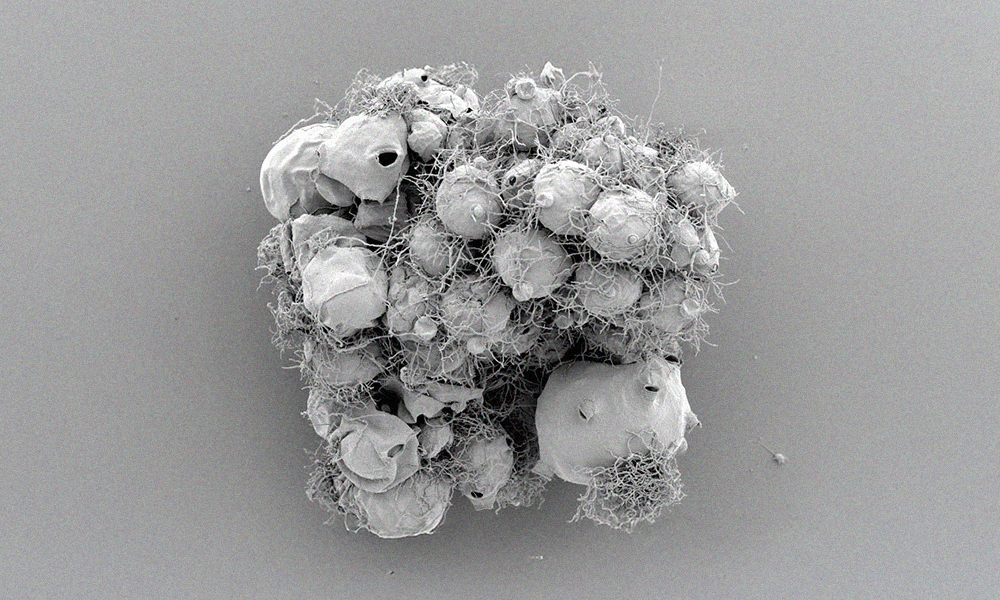
What exactly is chytrid fungus?
Responsible for the greatest disease-caused loss of biodiversity in recorded history, chytrid is a fungal disease causing mass amphibian extinctions. It spreads through touch or water; its spores can survive for weeks or even years outside a host.
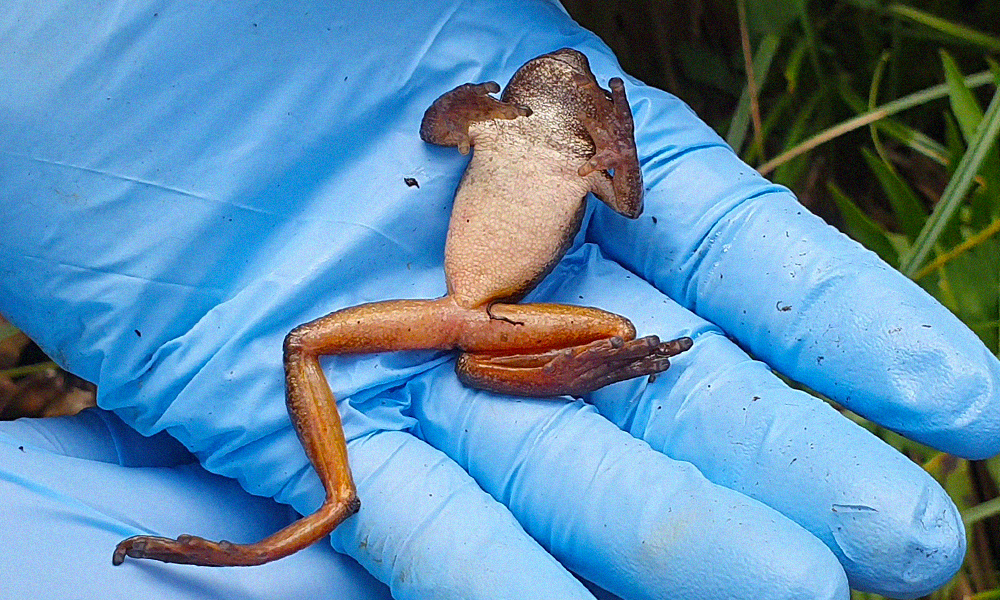
What’s the Global Impact?
- Amphibians, which have existed for over 350 million years, are now declining faster than any other class of vertebrates.
- Over 500 species are on the brink of extinction, with at least 90 already extinct since chytrid was discovered.
- Amphibian populations are affected worldwide, with the greatest losses occurring in Australia, Central & South America.
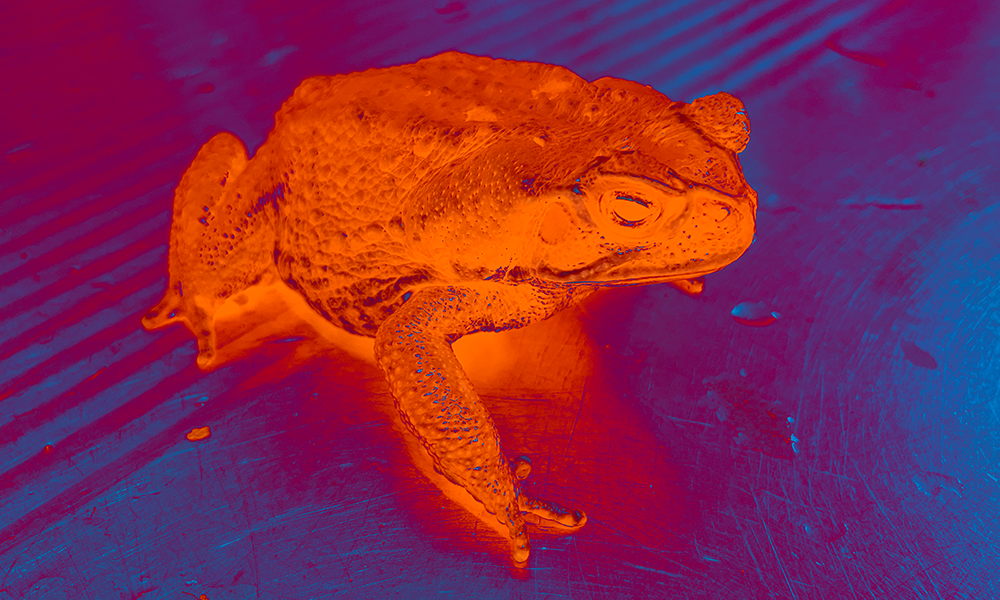
Why do Amphibians Matter?
- Ecosystem health: Amphibians act as both predators and prey, playing a crucial role in balancing food webs.
- Indicator species: Their sensitivity to environmental changes makes them key indicators of ecosystem health.
- Human benefits: Amphibians reduce mosquito-borne diseases like malaria, and are a source of novel medicinal compounds.
ENGINEERING CHYTRID FUNGUS IMMUNITY IN FROGS

THE SCIENCE BEHIND THE EFFORT

Gene-Editing Technologies:
Advanced gene-editing techniques, including multiplex editing, will be used to introduce transgenes into amphibian genomes, enabling them to produce chytrid-specific antibodies.
Partner Collaboration:
Working with conservation partners, engineered amphibians will be bred in captive facilities before being reintroduced into the wild, where their immunity can spread through natural selection, reducing the vulnerability of wild populations.